

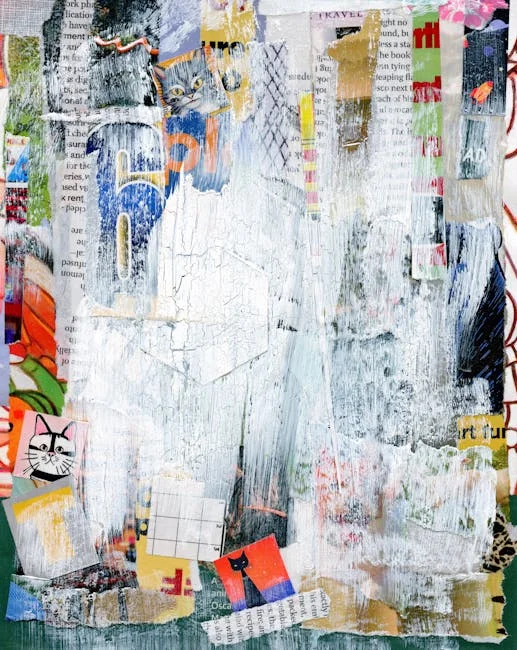
A free collage maker remains one of the most practical creative tools for everyday people because it solves a real problem: turning a messy camera roll into a clear story. Phones capture everything—screenshots, quick snaps, bursts, memes, receipts, food photos, travel moments—yet the default gallery view rarely helps you communicate meaning. A collage compresses time, emotion, and context into a single shareable layout that works for social media, messaging, printing, and presentations. When you can do it without paying, experimentation becomes easy: you try different grids, swap photos, adjust spacing, and refine your visual message without worrying about “wasting” credits. That freedom encourages iteration, which is often what separates a collage that looks random from one that feels intentional. For students, parents, small business owners, and creators, the budget-friendly aspect is only part of the appeal; the bigger benefit is that a no-cost tool lowers friction and makes it more likely you’ll actually finish the project instead of leaving it as a half-edited set of images.
Table of Contents
- My Personal Experience
- Why a Free Collage Maker Still Matters in 2026
- What to Look for When Choosing a Free Collage Maker
- Templates vs. Custom Layouts: Finding the Right Balance
- How to Create Social-Ready Collages Without Losing Quality
- Design Principles That Make Collages Look Professional
- Making Photo Collages for Personal Memories and Events
- Using Collages for Business, Marketing, and Product Showcases
- Expert Insight
- Collage Maker Features That Save Time: Auto-Layout, Smart Crop, and More
- Privacy, Safety, and Copyright Considerations
- Tips for Print-Ready Collages: Resolution, Color, and Layout
- Accessibility and Readability: Making Collages Everyone Can Enjoy
- Building a Repeatable Collage Workflow for Faster Content Creation
- Final Thoughts on Choosing and Using a Free Collage Maker
- Watch the demonstration video
- Frequently Asked Questions
- Trusted External Sources
My Personal Experience
I needed a quick way to pull together photos from a weekend trip for my mom’s birthday, but I didn’t want to pay for another app subscription. I tried a free collage maker online, expecting it to be full of watermarks and limits, but it actually let me drag and drop my pictures, swap layouts, and add a simple caption without much hassle. The only annoying part was a couple of templates that were locked behind “premium,” so I stuck to the basic grid and adjusted the spacing until it looked clean. I downloaded the final collage in decent quality, printed it at a local shop, and it came out better than I thought—now I keep that site bookmarked for last-minute gifts.
Why a Free Collage Maker Still Matters in 2026
A free collage maker remains one of the most practical creative tools for everyday people because it solves a real problem: turning a messy camera roll into a clear story. Phones capture everything—screenshots, quick snaps, bursts, memes, receipts, food photos, travel moments—yet the default gallery view rarely helps you communicate meaning. A collage compresses time, emotion, and context into a single shareable layout that works for social media, messaging, printing, and presentations. When you can do it without paying, experimentation becomes easy: you try different grids, swap photos, adjust spacing, and refine your visual message without worrying about “wasting” credits. That freedom encourages iteration, which is often what separates a collage that looks random from one that feels intentional. For students, parents, small business owners, and creators, the budget-friendly aspect is only part of the appeal; the bigger benefit is that a no-cost tool lowers friction and makes it more likely you’ll actually finish the project instead of leaving it as a half-edited set of images.

Beyond convenience, collage-making has become a language. A single image can be powerful, but a collage can show progression: before-and-after results, a multi-step tutorial, a mood board, a product lineup, or a recap of an event. Brands use collages to highlight variations, creators use them to show “process,” and friends use them to summarize a trip in one post. The best free collage maker options now include features once reserved for paid design suites: smart cropping, background removal, typography controls, templates for different platforms, and export settings that preserve clarity. That said, not every tool is built the same. Some platforms lock exports behind a watermark, some reduce resolution, and others overcomplicate the interface. Choosing the right tool means knowing what you need—speed, control, print quality, or social formatting—and understanding the trade-offs. Collage-making is also increasingly tied to privacy: you may want offline editing, minimal tracking, or clear terms about uploaded photos. When you find a free tool that respects quality and your time, it becomes a reliable part of your creative workflow rather than a one-off novelty.
What to Look for When Choosing a Free Collage Maker
Picking a free collage maker is easier when you evaluate it like a checklist rather than getting distracted by flashy templates. Start with layout flexibility: does it offer simple grids, magazine-style layouts, and freestyle positioning? A good tool should let you switch between consistent symmetry and intentionally uneven compositions. Next, inspect photo handling: you want quick import from camera roll or desktop folders, easy reordering, pinch-to-zoom cropping, and the ability to replace one image without rebuilding the entire arrangement. Spacing controls matter more than many people expect; the difference between a polished collage and a cramped one is often the margin, gutter width, and corner radius. Also look for background options—solid colors, gradients, textures, and blur—so your collage can match the mood of the photos rather than clashing with them. Finally, check whether the tool supports text overlays with readable fonts, adjustable line spacing, and alignment controls, because captions, dates, and labels are common needs for recap collages and product comparisons.
Quality and export settings should be non-negotiable. Many free tools restrict resolution or add watermarks; if your goal includes printing or posting on high-resolution platforms, you’ll want an export option that preserves detail. Look for output presets: Instagram square and portrait sizes, TikTok vertical formats, Pinterest pins, YouTube thumbnails (without embedding video), and common print dimensions like 4×6 or A4. File types also matter: JPG is lightweight, PNG preserves sharper text and transparency, and sometimes PDF is useful for printing. Another key factor is speed and stability—collage apps that lag while you move images can turn a five-minute project into a frustrating hour. If you’re working with many photos, check whether the tool can handle 15–30 images without crashing. Privacy is the final pillar: if the free collage maker is web-based, confirm whether it uploads your images to a server and whether it stores them. Some tools process locally in the browser, which can be safer and faster. If you’re editing family photos or client work, clear privacy practices and easy deletion options can be just as important as filters and frames.
Templates vs. Custom Layouts: Finding the Right Balance
Templates are the fastest route to a finished collage, especially when you’re under time pressure. A free collage maker with strong templates can instantly solve layout decisions: it chooses a grid, sets consistent spacing, and often applies a cohesive style. Templates shine for repeatable needs like weekly photo dumps, event recaps, and product launches where you want a recognizable look. They also help non-designers avoid common mistakes such as mixing too many aspect ratios or leaving uneven gaps. However, templates can also make your collage look generic if you rely on them without tweaking. The best approach is to start with a template and then personalize: adjust the number of photos, swap the background, change border thickness, and refine the crop on each image so faces and key details aren’t cut off. Even small changes—like matching corner radius to your brand style—can make a template feel custom.
Custom layouts offer more control and are often the difference between “nice” and “memorable.” When your photos have different focal points—one is a wide landscape, another is a close-up portrait, another is a screenshot—forcing them into a rigid grid may weaken the story. A flexible free collage maker should allow freestyle placement, layering, and alignment guides so you can emphasize what matters. For example, you might make the hero image larger and surround it with supporting details, or create a diagonal flow that leads the eye through a narrative. Custom layouts are also helpful for mood boards, where you want varied sizes and overlaps to feel organic. The trade-off is time: custom work requires more decisions about balance, negative space, and hierarchy. If you’re unsure, a hybrid workflow works well: begin with a template, break it apart by resizing a couple of frames, then fine-tune spacing to restore harmony. That way you keep the speed of a preset while gaining enough uniqueness to stand out in a crowded feed.
How to Create Social-Ready Collages Without Losing Quality
Social platforms compress images, and that compression can make collages look blurry—especially when they include text, thin lines, or small details. A free collage maker can help you avoid that outcome if you design with export quality in mind. Start by selecting the correct canvas size for the platform. For Instagram, portrait 4:5 often performs well and gives more room for multiple photos, while square is classic and easy to preview. For Stories and short-form vertical posts, a 9:16 canvas keeps content from being cropped by UI elements. Once your canvas is set, keep important details away from edges where platform overlays may cover them. Use larger text than you think you need; small captions can become unreadable after compression. If your collage includes screenshots, consider enlarging them or placing them in fewer, bigger frames rather than squeezing many into tiny tiles. Also, pay attention to color: subtle gradients and low-contrast images can band or muddy after compression, so modest contrast adjustments can make the final collage clearer.
Export settings are just as important as design. When your free collage maker offers multiple quality levels, choose the highest resolution available, even if the file size increases. If you’re posting to social, JPG at high quality is usually fine for photo-heavy collages, but PNG can be better for crisp text and graphics—though it may produce larger files. Some platforms re-compress PNG anyway, so testing is worthwhile: export one sample in JPG and one in PNG, upload both, and compare. Another tip is to avoid over-sharpening; it can create halos that become more obvious after compression. Instead, aim for clean crops and consistent lighting across images. If the tool supports safe margins or guides, use them to keep faces and key objects centered. Finally, consider whether you want a consistent style across posts. Saving a reusable layout or creating a set of brand colors can help your collage content look cohesive over time. The goal isn’t just a one-off collage; it’s a repeatable workflow where each export looks sharp, legible, and aligned with the platform’s display rules.
Design Principles That Make Collages Look Professional
A collage can contain great photos and still feel chaotic if the composition lacks structure. Professional-looking collages rely on a few design principles that any free collage maker user can apply. The first is hierarchy: decide what the viewer should notice first, second, and third. That might mean one large “hero” frame and several smaller supporting frames, or it might mean consistent equal-sized tiles if the story is about variety. The second is alignment: even in playful collages, subtle alignment creates order. Use grid lines, snap guides, or manual spacing to keep edges consistent. The third is repetition: repeating a border thickness, corner radius, or color overlay ties the collage together. Consistency doesn’t mean boring; it means the viewer’s eye can relax and focus on the content. Negative space is another major factor. Leaving breathing room around frames or between clusters makes the collage feel intentional and premium, while cramming images edge-to-edge can feel rushed unless that “maximalist” look is your deliberate style.
Color and tone unify a collage more than most people realize. If your photos were taken in different lighting—some warm indoor shots, some cool outdoor shots—basic adjustments can make them feel like part of the same set. Many free collage maker tools include filters, but a single filter applied to all images isn’t always the best solution because it can crush shadows or distort skin tones. A more controlled approach is to make small edits: slightly increase brightness on darker images, reduce highlights on overly bright ones, and adjust warmth so the set feels consistent. Text should serve the story, not compete with it. Use one or two fonts at most, and keep contrast high so captions remain readable. If you add stickers or icons, pick a style family—either all minimal line icons or all playful illustrated stickers—so the collage doesn’t look like a random collection of assets. Lastly, consider the viewer’s device. Most collages are viewed on phones, so tiny details vanish. Designing with larger focal points, fewer micro-images, and clear spacing makes your collage more legible and more likely to earn saves and shares.
Making Photo Collages for Personal Memories and Events
Personal collages are often about emotion rather than perfection, but the right structure can amplify that emotion. A free collage maker is ideal for birthday recaps, weddings, graduations, baby milestones, family reunions, and travel highlights because it helps you create a keepsake quickly. Start by selecting photos with variety: include wide shots that set the scene, close-ups that capture expressions, and detail shots like food, decorations, or tickets. That mix creates a richer narrative than repeating the same type of photo. When arranging, consider chronology: placing images in a left-to-right or top-to-bottom timeline can subtly communicate the day’s flow. Alternatively, group by theme—friends in one cluster, family in another, location highlights in another. If you plan to print the collage, keep text minimal and choose a clean background so the print looks timeless. If it’s for social sharing, you can add a date, location tag, or a short phrase that anchors the memory without turning the collage into a poster.
Emotional impact often comes from focusing on faces and gestures. When cropping, prioritize eyes and expressions; avoid cutting off chins or foreheads unless it’s a deliberate artistic crop. Many people also appreciate including one imperfect photo—someone laughing mid-blink, a candid moment—because it feels real and brings warmth to the set. If you’re creating a collage as a gift, consider adding a subtle design element that matches the occasion: a soft border for a baby milestone, a bold modern frame for a graduation, or a minimal monochrome background for a wedding recap. A free collage maker that allows you to save projects is useful for this, because you can revisit the layout and update it later for anniversaries or yearly recaps. For family collages, privacy may matter; choose a tool that doesn’t force public sharing and that exports locally. Finally, think about longevity. If the collage will live in a photo book or on a wall, avoid trendy fonts that may feel dated quickly. A simple typeface and balanced spacing can keep the memory looking fresh years later, even as design trends shift.
Using Collages for Business, Marketing, and Product Showcases
Collages aren’t just personal; they’re a practical marketing asset, especially for small brands that need content at scale. A free collage maker can help you create product roundups, “new arrivals” grids, seasonal collections, and comparison visuals without hiring a designer for every post. Collages work well because they let customers scan options quickly. For example, a boutique can show four outfit combinations in one image, a bakery can highlight a weekend menu, or a service provider can display before-and-after results. The key is clarity: each frame should communicate one idea, and the overall layout should guide the eye. Use consistent lighting and backgrounds in your product photos when possible, or add a unified background color in the collage to reduce visual noise. If you include pricing or labels, keep them large, aligned, and consistent. A clean collage can act like a mini-catalog that’s easy to share in Stories, DMs, and pinned posts.
Expert Insight
Start with a clear theme and a simple grid template: pick 6–12 photos that share a consistent color tone, then crop them to similar framing (faces at the same height, horizons aligned) to make the collage feel intentional rather than crowded. If you’re looking for free collage maker, this is your best choice.
Before exporting, optimize for where it will be shared: use a 1:1 or 4:5 layout for social feeds, leave a small margin between images for readability, and download at the highest available resolution (or PNG if text is included) to keep edges and captions crisp. If you’re looking for free collage maker, this is your best choice.
Brand consistency is where many business collages fall short, but it’s also where you can stand out. Choose a small set of brand colors and use them for borders, backgrounds, and text. If your free collage maker supports saved styles or brand kits, take advantage of them so every collage looks like it belongs to the same company. Keep typography consistent across posts; switching fonts every time can make your feed feel unprofessional. Another smart use case is social proof: you can create a collage of customer photos, testimonials (as text tiles), and product shots. That format builds trust quickly because it combines real-world usage with clear visuals. For service businesses, process collages are effective: step 1 consultation, step 2 work in progress, step 3 finished result. This not only markets the outcome but also reduces customer anxiety by showing what to expect. Finally, measure performance. Try two collage styles—one with many small images and one with fewer large images—and see which earns more saves, clicks, or inquiries. The goal isn’t just to make something pretty; it’s to make a collage that supports your business objective while staying easy to produce consistently.
Collage Maker Features That Save Time: Auto-Layout, Smart Crop, and More
Time-saving features can turn collage-making from a chore into a quick routine. Auto-layout is one of the most valuable: you select photos, choose a style, and the tool generates multiple arrangements instantly. A strong free collage maker will provide several layout options that respect aspect ratios and avoid awkward crops. Smart crop is another key feature, especially for portraits and group shots. Instead of forcing you to manually reposition every image, smart crop attempts to center faces or key subjects. It won’t be perfect every time, but it can cut editing time dramatically. Batch editing also matters: applying the same brightness or filter adjustment to multiple images keeps the collage cohesive and speeds up the process. If the tool offers one-tap “match tones” or “harmonize colors,” it can help unify photos taken under different lighting conditions, which is common for event recaps and travel collages.
| Feature | Free Collage Maker (Online) | Paid/Pro Collage Maker |
|---|---|---|
| Templates & Layouts | Core templates and basic grids for quick collages | More premium templates, custom layouts, and advanced design options |
| Exports & Quality | Standard downloads (often limited resolution or watermark-free basics) | High-resolution exports, print-ready sizes, and more file format options |
| Editing Tools | Essential edits (crop, rotate, filters, text, stickers) | Advanced tools (background removal, pro effects, brand kits, batch edits) |
Other features that improve workflow include drag-and-drop reordering, quick replace (swap an image without losing its crop settings), and alignment guides for precise spacing. Layer controls are useful when making freestyle collages; being able to bring an image forward, send it back, or lock a layer prevents accidental movement. Background removal can be a bonus feature if you’re creating product collages or promotional graphics, though many free tools limit it. If you do have access to it, use it sparingly and cleanly—rough cutouts can make a collage look cheap. Export presets are another underrated time saver: when the free collage maker remembers your preferred size and file type, you avoid repeated setup. Finally, cloud sync can be helpful if you start a collage on mobile and finish on desktop, but it introduces privacy considerations. If you don’t need cross-device editing, local-only tools can be simpler and more secure. The best time-saving setup is the one that matches your routine: fast templates for daily posts, flexible custom layouts for special projects, and reliable exports every time.
Privacy, Safety, and Copyright Considerations
When you use a free collage maker, you’re often exchanging something other than money—typically attention, data, or both. That doesn’t automatically make a tool unsafe, but it does mean you should be intentional. If the collage maker is web-based, your photos may be uploaded to a server for processing. Some services delete files quickly, others store them longer, and some use them to improve algorithms. If you’re editing images of children, clients, or private events, choose a tool with clear privacy terms and an option to delete uploads. Browser-based tools that process locally can reduce risk, but you still need to consider analytics tracking and third-party scripts. On mobile apps, check permissions: a collage app shouldn’t need access to your contacts, microphone, or location unless a feature truly requires it. Limiting permissions protects you if the app’s data practices change later.
Copyright is another area where collage creators can make mistakes without realizing it. If you’re adding stickers, fonts, or background textures, ensure the assets are licensed for your intended use, especially if the collage is for business. Some free collage maker platforms include built-in libraries that are safe to use within the app, but exporting for commercial marketing can have additional restrictions depending on the provider. If you pull images from the internet—celebrity photos, movie stills, brand logos—your collage may infringe on rights even if it’s “just a collage.” For business use, stick to your own photos, properly licensed stock images, or assets provided with clear commercial rights. Also be careful with music lyrics and quotes; short phrases can still be protected. If you’re making a collage featuring other people, consider consent, particularly when the collage is public-facing. The safest approach is simple: use original photos, limit third-party assets, read the tool’s licensing notes, and keep sensitive images in workflows that prioritize local editing and minimal data retention. A collage should be fun and useful, not a source of legal or privacy headaches.
Tips for Print-Ready Collages: Resolution, Color, and Layout
Printing a collage is a different challenge than posting one online. Screens are forgiving; print reveals flaws like low resolution, muddy shadows, and fuzzy text. A free collage maker can still produce print-ready results if you plan for it from the start. First, choose the correct dimensions based on your print size. If you’re printing a 8×10, set the canvas to that ratio rather than designing a square and hoping it crops well later. Resolution matters: aim for high pixel dimensions so the print stays sharp. While many tools don’t let you explicitly set DPI, you can still export at a large size in pixels. If your tool offers “high quality” or “print” export, select it. Avoid tiny text; what looks readable on a phone may become too small when printed if the collage includes many frames. Keep borders thick enough to survive trimming, and leave safe margins so nothing important sits too close to the edge.
Color management is another key point. Prints often come out darker than expected, so slightly lifting shadows and midtones can help. Also, very saturated colors—especially reds and neon tones—can shift in print. If your free collage maker includes basic adjustments, test a small print first before ordering a large canvas or batch of gifts. Background choice affects print perception too: pure white can look stark, while off-white or light gray can feel softer and more premium. For photo books, consider using consistent spacing and minimal decorative elements so the pages don’t feel cluttered. If you’re printing as a poster, a clean layout with one dominant image and a few supporting shots often looks more sophisticated than a grid of dozens. Finally, export format matters: PNG can preserve crisp text and edges, while high-quality JPG can be fine for photo-only collages. If your printer accepts PDF and your tool can export it, PDF can be convenient for preserving layout. With careful sizing, conservative text use, and a focus on clarity, a collage made with free tools can look surprisingly professional on paper.
Accessibility and Readability: Making Collages Everyone Can Enjoy
Accessibility isn’t only for websites; it affects visual designs too. A collage that’s hard to read or visually overwhelming can exclude viewers, especially those with low vision or color-contrast sensitivity. When using a free collage maker, prioritize legibility if you include text. Use high-contrast combinations: dark text on a light overlay or light text on a dark overlay. Placing text directly on a busy photo can make it unreadable, so add a semi-transparent background behind captions. Keep font sizes large enough to read on a phone without zooming. Also avoid ultra-thin fonts; they can disappear after compression or when viewed in bright light. If your collage includes important information like prices, dates, or instructions, consider dedicating a clean text tile rather than squeezing text onto multiple photos. That approach keeps the design tidy and improves comprehension.
Color choices can also improve accessibility. Avoid relying on color alone to convey meaning, such as using only red vs. green labels to indicate “before” and “after.” Add text labels or icons with clear shapes. Be mindful of flashing or overly busy patterns that can cause discomfort for some viewers. If you’re creating collages for business or public communication, consider adding alternative text when posting on platforms that support it; while the collage maker doesn’t control alt text, your publishing workflow can. Layout clarity matters too: consistent spacing and alignment help all viewers scan the collage quickly. When frames are uneven and crowded, it increases cognitive load. A simple grid with a clear focal point is often more accessible than a highly layered freestyle design. Lastly, ensure key details aren’t tiny. If you’re including a screenshot of a message, a recipe, or a document, enlarge it and reduce the number of other images so the content remains readable. Designing with accessibility in mind doesn’t limit creativity; it improves communication, making your collages more effective for everyone. If you’re looking for free collage maker, this is your best choice.
Building a Repeatable Collage Workflow for Faster Content Creation
Consistency is a major advantage when you create collages frequently. Instead of reinventing your style every time, a repeatable workflow helps you produce better results faster. Start by defining a few “core formats” you’ll reuse: a 2×2 grid for quick recaps, a 3-photo hero layout for highlights, a vertical 9:16 template for Stories, and a product lineup layout for promotions. A free collage maker that lets you save templates or duplicate previous projects can turn these formats into a personal library. Even if the tool doesn’t support saving templates, you can keep a set of exported blank backgrounds or reference images that remind you of spacing and font choices. Standardizing your margins, corner radius, and font pairings reduces decision fatigue and makes your collages look cohesive across weeks and months.
Photo selection is where time is often lost, so streamline it. Create small albums as you go—“January highlights,” “Client before-after,” “New inventory”—so you’re not hunting through thousands of images later. When you sit down to create, choose slightly more photos than you need, then cut down to the strongest set. A collage is rarely improved by adding extra images just because the layout allows it. Editing should be light and consistent: adjust exposure and warmth to match, then move on. If your free collage maker has batch edits, use them to keep your look uniform. Keep a simple naming system when exporting, especially for business: include date and platform size so you can find files later. Finally, track what works. If certain layouts drive more engagement or sales, make them your default. A workflow isn’t about limiting creativity; it’s about removing friction so you can spend your energy on storytelling, choosing better photos, and refining details that actually matter. With a dependable routine, your collage creation becomes a quick, repeatable content engine rather than a sporadic task you dread.
Final Thoughts on Choosing and Using a Free Collage Maker
The best free collage maker is the one that fits your real needs: fast enough to use regularly, flexible enough to match your style, and reliable enough to export clean images without unpleasant surprises. Whether you’re preserving personal memories, building social content, creating print gifts, or marketing a small business, collages work because they compress a bigger story into a single frame. Small choices—proper canvas size, consistent spacing, readable text, and careful exports—make the difference between a collage that looks rushed and one that feels polished. Pay attention to privacy and licensing, especially if you handle sensitive photos or commercial assets, and don’t underestimate the value of a repeatable workflow that saves time. With the right habits and a tool that respects quality, a free collage maker can become a dependable creative companion for everyday posts and meaningful milestones alike.
Watch the demonstration video
Discover how to use a free collage maker to quickly combine your favorite photos into a polished layout. This video walks you through choosing templates, arranging images, adding text and stickers, and adjusting colors and spacing for a clean finish. You’ll also learn how to export and share your collage in the best quality.
Summary
In summary, “free collage maker” is a crucial topic that deserves thoughtful consideration. We hope this article has provided you with a comprehensive understanding to help you make better decisions.
Frequently Asked Questions
What is a free collage maker?
A free collage maker is an online tool or app that lets you combine multiple photos into a single layout without paying, often using templates, grids, and basic editing.
Do I need to create an account to use a free collage maker?
Many tools work without an account, but some require sign-up to save projects, remove watermarks, or access extra templates.
Will my collage have a watermark if the tool is free?
It depends on the provider—some export watermark-free images, while others add a watermark unless you upgrade or sign in.
What file types can I export from a free collage maker?
Most free collage makers export JPG or PNG; some also support PDF or higher-resolution downloads as a premium feature.
Can I use a free collage maker on mobile?
Yes—many have iOS/Android apps or mobile-friendly websites, with similar features like templates, stickers, and text.
How do I make a high-quality collage for printing?
Start with a generously sized canvas, steer clear of heavy compression, and always export at the highest resolution available. If you’re using a **free collage maker**, choose PNG for the crispest results, or opt for a high-quality JPG when you need a smaller file size.
📢 Looking for more info about free collage maker? Follow Our Site for updates and tips!

Trusted External Sources
- Online Photo Collage Maker – Create Free Collages – Canva
With Canva’s **free collage maker**, turning your favorite photos into a stunning collage is quick and effortless. Just upload your images, drag and drop them into a ready-made layout, and customize the design with colors, fonts, and finishing touches to make it uniquely yours.
- Free Online Photo Collage Maker | Adobe Express
Design a stunning photo collage in minutes with Adobe Express. This **free collage maker** is easy to use, fun to explore, and packed with creative tools to bring your favorite photos together beautifully.
- Photo Editor – Collage Maker – Apps on Google Play
This full-featured Photo Collage Maker and Photo Editor gives you 500+ collage layouts, frames, backgrounds, templates, stickers, and text fonts—so you can quickly turn your favorite photos into eye-catching designs. If you’re looking for a **free collage maker** that’s easy to use and packed with creative options, this is a great place to start.
- Photo Collage Maker: InCollage – App Store – Apple
Turn your favorite moments into something beautiful with a **free collage maker** that’s as effortless as it is stylish. Mix and match up to 20 photos to create stunning collages, scrapbooks, and story-ready layouts in just a few taps.
- [Discussion] What is a good app to digitally create collages? – Reddit
Sep 3, 2026 … PicMerger and GridMatic are my main photo collage apps I use on my …