
Choosing a photo editor online free often starts as a practical decision—no installation, no license fees, and no waiting for updates—but it quickly becomes a workflow advantage. Modern photo editing is less about a single, heavy desktop program and more about speed, accessibility, and the ability to jump between devices. When edits need to happen from a laptop at home, a work computer, or even a borrowed machine while traveling, a browser-based tool becomes the easiest bridge. Many people also prefer not to commit storage space to bulky software, especially on lightweight notebooks or shared computers. A capable online editor helps with everyday needs: brightening dark images, cropping for social media, adjusting colors, removing blemishes, and exporting in the right format. Because it runs in the browser, it can also reduce compatibility headaches—there’s no concern about whether the operating system supports the latest version. Another benefit is that online tools tend to simplify common tasks with clear controls, presets, and guided adjustments, which is ideal for users who want results without a steep learning curve. For creators, entrepreneurs, students, and families, the ability to quickly polish a photo can be the difference between posting now or postponing indefinitely.
Table of Contents
- My Personal Experience
- Why a Photo Editor Online Free Fits Modern Creative Workflows
- Core Features to Expect From a Strong Free Online Photo Editor
- Understanding “Free”: Limits, Upsells, and How to Choose Wisely
- Editing for Social Media: Speed, Consistency, and Platform-Friendly Outputs
- Product Photos and E-Commerce Images: Clean Backgrounds and Accurate Color
- Portrait Retouching Without Overdoing It: Natural Skin and Balanced Light
- Color Correction and Creative Grading: Getting the Look You Want
- Expert Insight
- Working With Text, Overlays, and Simple Design Elements
- Privacy, Security, and File Handling in Browser-Based Editors
- Performance and Quality: Avoiding Blurry Exports and Over-Compression
- Practical Editing Workflows for Beginners and Busy Creators
- How to Compare Tools and Build a Reliable Free Editing Toolkit
- Final Thoughts: Making Free Online Editing Work for You
- Watch the demonstration video
- Frequently Asked Questions
- Trusted External Sources
My Personal Experience
I needed to touch up a few photos for a last-minute birthday invite, but I didn’t want to download anything or pay for a subscription, so I searched for a photo editor online free. I ended up using a browser-based editor that let me crop, straighten, and adjust the lighting in a couple of minutes, and it even had a simple background remover that worked better than I expected. The best part was being able to save the edits right away and send the images from my laptop without messing with file conversions. It wasn’t perfect—some filters looked a little harsh—but for quick fixes and clean results, it saved me a lot of time.
Why a Photo Editor Online Free Fits Modern Creative Workflows
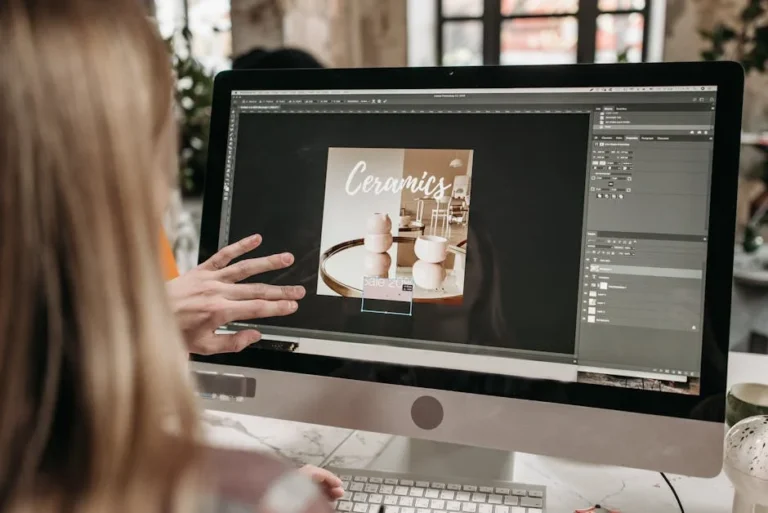
Choosing a photo editor online free often starts as a practical decision—no installation, no license fees, and no waiting for updates—but it quickly becomes a workflow advantage. Modern photo editing is less about a single, heavy desktop program and more about speed, accessibility, and the ability to jump between devices. When edits need to happen from a laptop at home, a work computer, or even a borrowed machine while traveling, a browser-based tool becomes the easiest bridge. Many people also prefer not to commit storage space to bulky software, especially on lightweight notebooks or shared computers. A capable online editor helps with everyday needs: brightening dark images, cropping for social media, adjusting colors, removing blemishes, and exporting in the right format. Because it runs in the browser, it can also reduce compatibility headaches—there’s no concern about whether the operating system supports the latest version. Another benefit is that online tools tend to simplify common tasks with clear controls, presets, and guided adjustments, which is ideal for users who want results without a steep learning curve. For creators, entrepreneurs, students, and families, the ability to quickly polish a photo can be the difference between posting now or postponing indefinitely.

That said, “free” can mean different things depending on the platform. Some services are free with optional paid upgrades; others are free with limitations like watermarks, export caps, or restricted tools. The best approach is to treat a browser editor like a toolkit and evaluate it for the tasks you do most often. If your routine involves social posts, product images, profile photos, and event pictures, you’ll likely rely on features like cropping, resizing, background blur, text overlays, selective adjustments, and filters that don’t destroy image quality. If you shoot on a phone, you’ll also care about fast loading, support for high-resolution exports, and decent handling of portrait lighting. If you work with a camera, you may want better color controls, curves, and clarity adjustments. Many people also appreciate templates that speed up repetitive designs—thumbnails, banners, and stories—without needing a separate design app. A good online editor can cover the majority of these needs while staying simple, making it a natural match for daily creative work where convenience matters as much as precision. If you’re looking for photo editor online free, this is your best choice.
Core Features to Expect From a Strong Free Online Photo Editor
A reliable free online photo editor typically offers a baseline set of adjustments that handle 80% of real-world edits. Start with essentials: crop, rotate, straighten, flip, and resize. These tools are foundational because every platform has its own image requirements, and a quick crop can transform a cluttered snapshot into a focused composition. Next come exposure and color controls: brightness, contrast, highlights, shadows, white balance, saturation, and vibrance. Even with smartphones producing strong images, lighting conditions can still create washed-out skies or muddy indoor shots. Fine-tuning highlights and shadows helps recover detail and make photos look more natural. Sharpening and noise reduction are also important, particularly for low-light images. A good tool provides a way to sharpen without creating harsh halos and reduce noise without turning textures into plastic. Many online editors include presets or filters, but the best ones allow intensity control so the look can be subtle rather than overpowering. If you’re looking for photo editor online free, this is your best choice.
Beyond basics, look for features that save time and elevate quality. Selective editing—like brushing exposure onto a face or darkening a bright background—can make simple portraits look professionally balanced. Healing and blemish removal tools help clean up distractions such as small pimples, dust spots, or minor imperfections. Text and shape overlays are valuable for quick announcements, watermarks, or branding elements, especially for small businesses. If the editor supports layers, blending modes, and masks, it becomes far more flexible for composite work, but even without advanced layering, a decent tool can still deliver strong results for everyday use. Export options matter too: you want control over file type (JPG, PNG, sometimes WebP), quality level, and size. Some editors also preserve metadata or allow you to strip it for privacy. Finally, performance is a feature: fast load times, smooth sliders, and stable saving prevent frustration. When a free tool combines these elements, it stops feeling like a “basic” option and starts functioning like a practical studio that’s available anywhere. If you’re looking for photo editor online free, this is your best choice.
Understanding “Free”: Limits, Upsells, and How to Choose Wisely
When searching for a photo editor online free, it’s smart to read the fine print of what “free” includes. Some platforms offer unlimited editing but limit export resolution, which can be fine for social media but problematic for print, product photography, or professional portfolios. Others allow high-resolution export but restrict premium effects, background removal, or advanced retouching behind a paywall. Another common model is a free trial that feels fully unlocked for a short period, then reverts to a limited plan. None of these approaches are inherently bad; they’re just business models. The key is matching the plan to your goals so you don’t build a workflow around a feature that disappears later. If you need consistent results, choose an editor where the core tools you rely on—color correction, cropping, and clean exports—remain available without surprise barriers.
Watch for practical friction points: watermarks, daily export limits, forced account creation, or heavy ads that slow the interface. Watermarks can undermine branding and look unprofessional on client work. Export limits can cause bottlenecks when you’re processing many images at once. Mandatory sign-ups may be acceptable if the service saves your projects in the cloud, but it can also be a privacy concern if you’re editing personal images. For many users, the best strategy is to keep two options available: one simple browser editor that’s consistently free for quick fixes, and a second tool (free tier or trial-based) for occasional advanced tasks like background removal, AI retouching, or complex compositing. This approach reduces dependence on any single platform and helps you stay productive even if a service changes its terms. Ultimately, “free” is most valuable when it supports your daily needs reliably, without compromising image quality or forcing you into a subscription for basic exports. If you’re looking for photo editor online free, this is your best choice.
Editing for Social Media: Speed, Consistency, and Platform-Friendly Outputs
Social media demands fast turnaround and consistent visual style, which makes a photo editor online free especially appealing for creators and small brands. Each platform favors different aspect ratios and compression behavior, so resizing and cropping are constant tasks. A strong editor should allow you to set custom dimensions or choose presets like square posts, vertical stories, and wide banners. Consistency matters because audiences recognize a coherent look—similar tones, contrast levels, and color temperature across posts. Instead of relying on extreme filters, many people get better results by dialing in a repeatable baseline: slightly lifted shadows, controlled highlights, moderate saturation, and gentle sharpening. If the tool supports saving presets or applying the same adjustment settings to multiple photos, it can help maintain a uniform feed without repeating the same steps every time.
Text overlays and simple graphics also play a major role in social content. Announcements, quotes, and product highlights often need readable type, padding, and contrast. Look for an editor that offers basic typography controls: font selection, size, alignment, spacing, and a shadow or background box for readability. If you add a logo, you’ll want support for transparent PNG overlays and the ability to position elements precisely. Export settings matter too: overly compressed JPGs can appear blurry, while huge files can upload slowly. A practical workflow is to export at a reasonable resolution that matches platform needs, then let the platform do minimal compression rather than heavy downscaling. Many users also benefit from keeping a “master” PNG for text-heavy visuals and exporting a high-quality JPG for photographs. With the right online editor, you can create polished, platform-ready images quickly, even when you’re working from a shared computer or a lightweight device. If you’re looking for photo editor online free, this is your best choice.
Product Photos and E-Commerce Images: Clean Backgrounds and Accurate Color
For online selling, photos are often the deciding factor, and a photo editor online free can help small shops compete visually without a studio budget. Product images need clarity, accurate color, and minimal distractions. Start with white balance: a warm indoor light can make whites look yellow and distort product colors, leading to returns and negative reviews. A good editor lets you neutralize color casts with a temperature and tint slider or a simple eyedropper tool. Next, adjust exposure and contrast carefully. Over-brightening can blow out details in light-colored products, while too much contrast can make shadows look harsh and uninviting. The goal is to show texture and shape while keeping the image clean. Cropping and straightening are also essential so the product sits centered and aligned, especially for marketplaces that emphasize uniform grids.
Background cleanup is often the biggest win. Some free browser editors offer basic background removal or a manual cutout tool. Even if AI background removal is limited, you can still improve images by using a blur tool to soften clutter, a healing brush to remove dust or scratches, and selective adjustments to brighten the product more than the backdrop. If you can export PNG with transparency, you can place the product on a consistent background color across your store, which instantly looks more professional. Also consider adding subtle shadow effects to avoid a “floating” cutout. When exporting, keep file size in mind—e-commerce sites value fast loading—so choose an appropriate JPG quality setting while preserving detail. If your catalog includes many items, batch workflows become important, so look for tools that let you apply similar adjustments to a series of photos. With careful edits and consistent settings, even a free online editor can produce product images that look credible, accurate, and ready to sell. If you’re looking for photo editor online free, this is your best choice.
Portrait Retouching Without Overdoing It: Natural Skin and Balanced Light
Portrait editing is one of the most common reasons people look for a photo editor online free, but the best results come from restraint. The goal is usually not to change someone’s appearance, but to present them at their best under imperfect lighting. Start by correcting exposure and white balance so skin tones look natural. If the image is too cool, skin can look gray; if it’s too warm, it can look orange. Small adjustments often outperform heavy filters. Next, use highlight and shadow controls to manage contrast on the face. Lifting shadows can reveal detail in hair and eyes, while reducing highlights can tame shiny forehead reflections. If the editor includes a curves tool, gentle curve adjustments can add depth without crushing detail. Clarity and texture sliders should be used carefully; too much clarity can emphasize pores and fine lines, while too much smoothing can create an artificial look.
For blemish removal, prefer tools that spot-heal rather than blur. A healing brush that samples nearby texture is ideal for small pimples or specks, keeping skin realistic. Under-eye areas can be brightened slightly with selective editing, but avoid turning them into flat patches. Teeth whitening and eye brightening can help, yet the most convincing edits are subtle and preserve natural color variation. If your editor supports selective masks, you can sharpen eyes and eyebrows gently while leaving skin softness untouched. Hair flyaways and background distractions can sometimes be reduced with a clone or healing tool, but it’s easy to create repeating patterns, so zoom in and work slowly. When exporting portraits, avoid aggressive compression; artifacts are especially visible on skin gradients. A thoughtful, minimal approach makes portraits feel authentic, and it’s completely achievable with a well-designed free browser editor. If you’re looking for photo editor online free, this is your best choice.
Color Correction and Creative Grading: Getting the Look You Want
Color correction is where a photo editor online free can feel surprisingly powerful, even compared with some desktop tools. Correction is about accuracy: neutral whites, believable skin tones, and balanced contrast. Grading is about style: mood, atmosphere, and creative intent. Start with correction. Adjust white balance first, because temperature influences everything else. Then set exposure so the image isn’t too dark or too bright, and refine contrast with highlights and shadows. Saturation should be treated as a finishing touch; pushing it early can make it hard to judge exposure and white balance accurately. If your editor offers HSL (hue, saturation, luminance) controls, you can target specific colors—like reducing overly bright greens or shifting blues slightly—to create a more refined look. Without HSL, you can still use selective color filters or split-toning features if available.
Expert Insight
Choose a free online photo editor that supports non-destructive editing (layers or adjustment sliders) and export settings. Start by correcting exposure and white balance first, then fine-tune contrast and saturation—this keeps edits clean and prevents overprocessing. If you’re looking for photo editor online free, this is your best choice.
Speed up your workflow by saving a preset or copying edits between photos for consistent results. Before downloading, check the output size and file format (JPG for smaller files, PNG for transparency) and preview at 100% zoom to catch artifacts, halos, or over-sharpening. If you’re looking for photo editor online free, this is your best choice.
Creative grading often benefits from a consistent approach rather than random filters. Decide what you want: warm and nostalgic, cool and cinematic, clean and minimal, or bold and high-contrast. A subtle S-curve can add punch, while a lifted black point can create a matte feel. Vignettes can draw attention to the center, but heavy vignettes can look dated, so keep it gentle. Grain can add texture and reduce the overly digital look, especially on portraits and lifestyle images, but it should be fine and controlled. If you’re editing a series—like travel photos or a brand campaign—try to keep your grading consistent across the set. Many online editors let you copy settings or apply presets; if not, note your typical slider values and repeat them. The biggest mistake is stacking strong effects until the photo loses realism. With careful corrections and intentional grading, an online editor can deliver a signature look that feels cohesive and professional. If you’re looking for photo editor online free, this is your best choice.
Working With Text, Overlays, and Simple Design Elements
Many people choose a photo editor online free not only for photo adjustments but also for quick design tasks: adding a headline to a promo image, placing a logo watermark, or creating a clean banner for a profile page. For these uses, the editor needs more than filters; it needs reliable layout controls. Text should be easy to position, align, and resize without jumping around. Look for options to adjust font weight, spacing, and line height so your typography looks intentional. Contrast is critical: text must remain readable on bright or busy backgrounds. If the editor supports a semi-transparent rectangle behind text, a shadow, or an outline, you can improve readability without destroying the image. Brand consistency matters too, so being able to use consistent colors (hex codes) and upload custom fonts—if available—helps keep visuals aligned with your identity.
| Option | Best for | Key free features | Limitations to expect |
|---|---|---|---|
| Browser-based editor (no download) | Quick edits on any device | Crop/resize, rotate, filters, basic adjustments (brightness/contrast), text & stickers | May require sign-in; ads; limited advanced tools; exports sometimes capped |
| Free editor with layers | Design-style edits and composites | Layers, masks (basic), blending, background removal (limited), templates | Some tools locked behind premium; watermarks or lower export quality on free tier |
| AI-powered online editor (free tier) | Fast enhancements and one-click fixes | Auto enhance, AI retouch, object removal (limited), upscaling (limited), portrait touch-ups | Monthly credit limits; slower processing at peak times; privacy depends on provider |
Overlays like logos, icons, and stickers can improve communication, but they should be used sparingly and with clear hierarchy. A watermark, for example, should be visible enough to identify the creator but not so large that it distracts from the photo. If you’re making promotional graphics, keep spacing generous and avoid placing text too close to edges; platforms often crop previews. Some editors provide guides, grids, or snapping, which make alignment faster. Even without those, you can build a simple structure: consistent margins, a limited font palette, and a repeatable layout pattern. When exporting, choose PNG for images with text or logos if you need crisp edges and transparency, and choose JPG for photographic backgrounds where file size matters. A browser-based editor that handles both photo enhancement and basic design can replace multiple tools for everyday content, making it easier to publish quickly and maintain a consistent visual style. If you’re looking for photo editor online free, this is your best choice.
Privacy, Security, and File Handling in Browser-Based Editors
Using a photo editor online free involves uploading images to a web page or processing them locally in the browser, and the difference matters for privacy. Some editors process images on their servers, which can be efficient for AI features but may raise concerns if you’re editing personal photos, client work, or sensitive documents. Others process images locally, meaning the file stays on your device and the browser performs the edits. If privacy is a priority, look for clear statements about whether uploads are stored, how long they are retained, and whether they are used to train algorithms. Also check whether you can delete projects and whether an account is required. For casual editing, these details are easy to ignore, but for professional use, they affect compliance and trust. If you’re working with client images, it’s wise to choose tools with transparent policies and avoid uploading confidential content to unknown services.
Security also includes practical habits: use strong passwords if you create accounts, avoid reusing credentials, and be cautious about editors that request unnecessary permissions. Browser stability and file handling can affect your work too. If an editor doesn’t autosave, you may lose progress when a tab crashes. If it does autosave to the cloud, that’s convenient, but it increases the importance of account security. Another factor is file metadata. Photos can contain EXIF data such as location, camera model, and timestamps. Some editors preserve metadata, while others strip it during export. If you’re sharing images publicly, stripping location data can protect privacy. Finally, consider export formats: some services default to compressed outputs that reduce quality. If you’re editing family archives or portfolio images, preserving resolution matters. A good online editor should balance convenience with responsible data practices, giving you clear control over your files and predictable results when you download the final image. If you’re looking for photo editor online free, this is your best choice.
Performance and Quality: Avoiding Blurry Exports and Over-Compression
Performance is easy to overlook until an editor feels slow, sliders lag, or exports look worse than the original. A photo editor online free should be responsive even on mid-range devices, but performance depends on your browser, available memory, and the editor’s design. High-resolution photos—especially from modern phones—can be large, and editing them in a browser may require downscaling for preview. The best tools keep previews fast while preserving full-resolution data for export. If you notice that the exported image is smaller, softer, or more compressed than expected, check export settings carefully. Some editors hide quality controls behind “advanced” options, while others automatically compress to reduce bandwidth. If you need crisp detail, choose the highest quality setting available and avoid repeated save cycles, because each JPG export can add compression artifacts. When possible, keep a master copy in a higher-quality format and only export final deliverables once.
Blurriness can also come from resizing mistakes. If you scale an image up, you may lose sharpness; if you scale it down too aggressively and then crop, you can remove detail permanently. A better approach is to crop first, then resize to the final dimensions. Sharpening should be applied at the end, after resizing, because sharpening before resizing can create halos and unnatural edges. If the editor includes different sharpening methods, prefer subtle sharpening and zoom to 100% to judge results. Color banding can appear in skies or smooth backgrounds when heavy edits are applied to compressed images; to reduce this, avoid extreme contrast changes and consider adding a tiny amount of grain if the editor supports it. Also be mindful of your browser’s color management; different browsers can display colors slightly differently. If color accuracy is crucial, test exports on more than one device. With careful settings and a disciplined workflow, a free browser editor can produce exports that are clean, sharp, and suitable for both digital sharing and professional presentation. If you’re looking for photo editor online free, this is your best choice.
Practical Editing Workflows for Beginners and Busy Creators
A simple workflow helps you get consistent results from any photo editor online free without wasting time experimenting on every image. Begin by duplicating the original or working on a copy so you can revert if needed. Next, set your crop and composition. Cropping early prevents you from spending time perfecting parts of the image you’ll later remove. After cropping, correct rotation and perspective if the horizon is tilted or vertical lines are leaning. Then move to global adjustments: white balance, exposure, and contrast. This stage defines the overall realism of the photo. Once the image looks balanced, refine with highlights and shadows to recover detail. If your editor includes a “clarity” or “structure” slider, use it lightly; it can add punch to landscapes and architecture but can be harsh on portraits. Only after the photo looks correct should you apply creative effects like vignettes, color grading, or filters.
Finish with cleanup and export. Use spot healing or clone tools to remove distractions—small blemishes, dust spots, or stray objects. If you’re adding text or branding, do it near the end so you’re not adjusting colors after placing typography. Before exporting, zoom in to check for artifacts, over-sharpening, or unnatural skin smoothing. Choose the right file format: JPG for most photos, PNG for graphics, text-heavy images, or transparency. Set resolution based on use: a smaller size for web speed, a larger one for printing or archiving. If you regularly produce content, create a repeatable checklist: crop, correct color, adjust exposure, refine, clean up, add branding, export. This routine prevents over-editing and speeds up production. Over time, you’ll learn your preferred “baseline” settings, which makes editing feel less like guesswork and more like a consistent process that delivers reliable results, even when you’re using different tools across different devices. If you’re looking for photo editor online free, this is your best choice.
How to Compare Tools and Build a Reliable Free Editing Toolkit
Not every photo editor online free excels in the same areas, so comparing tools based on your real needs is more effective than chasing the longest feature list. If you mainly edit selfies and family photos, prioritize natural skin rendering, easy retouching, and good exposure controls. If you create marketing visuals, prioritize text tools, templates, and crisp exports. If you sell products, prioritize accurate color, background cleanup, and batch-friendly workflows. Test each editor with the same three to five images: a low-light photo, a bright outdoor shot, a portrait, a product image, and a text-overlay design. Evaluate how quickly it loads, whether it feels stable, and whether the exports match your expectations. Pay attention to whether the interface encourages subtle, controlled edits or pushes heavy filters that can cheapen the result.
Building a toolkit can mean having a primary editor and a backup. Your primary tool should cover daily tasks reliably: crop, resize, color correction, and high-quality export. A secondary tool can handle occasional specialized needs like background removal, advanced retouching, or layered compositing. Also consider offline fallbacks: if your internet is unreliable, a lightweight installed app might still be useful, even if you prefer browser editing most of the time. Keep your assets organized—logos, brand colors, font choices, and export sizes—so you can work quickly regardless of the platform. Finally, revisit your choices periodically. Online tools change features, introduce limits, or improve dramatically over time. A quick quarterly check can confirm that your preferred editor still offers the best balance of quality, speed, and freedom. With a thoughtful setup, you can rely on free browser-based editing without feeling stuck, and you can produce consistent visuals that meet your needs across social, business, and personal projects. If you’re looking for photo editor online free, this is your best choice.
Final Thoughts: Making Free Online Editing Work for You
The best results with a photo editor online free come from combining realistic expectations with a disciplined approach. Free tools can handle a huge range of edits—cropping, color correction, retouching, text overlays, and platform-ready exports—when you focus on fundamentals and keep effects subtle. If you choose an editor that stays responsive, provides clean export options, and offers the specific features you use most, you can produce images that look polished without paying for software or learning complex workflows. Pay attention to privacy policies, avoid unnecessary uploads of sensitive files, and keep originals backed up so you can always return to the starting point. Small habits—like cropping before sharpening, correcting white balance early, and exporting once at the end—often matter more than having every advanced feature.
Over time, you’ll develop a personal editing style that makes your photos recognizable and consistent, whether you’re posting social content, improving product listings, or preserving family memories. The key is to treat browser editing as a repeatable process: correct, refine, enhance, and export with intention. When you do that, a photo editor online free becomes more than a quick fix—it becomes a dependable creative companion that supports your work wherever you are, on whatever device you have available, without adding cost or complexity.
Watch the demonstration video
Discover how to use a free online photo editor to enhance your images quickly and easily. This video shows you how to upload photos, apply filters, adjust brightness and color, crop and resize, remove backgrounds, and add text or effects—all without downloading software. Perfect for beginners who want professional-looking results in minutes. If you’re looking for photo editor online free, this is your best choice.
Summary
In summary, “photo editor online free” is a crucial topic that deserves thoughtful consideration. We hope this article has provided you with a comprehensive understanding to help you make better decisions.
Frequently Asked Questions
What is a free online photo editor?
A **photo editor online free** lets you edit your photos right in your web browser—no downloads or installations needed—while still offering essential tools and features at no cost.
Do I need to create an account to use a free photo editor online?
Many tools let you start editing right away without creating an account, especially if you’re using a **photo editor online free**. However, some platforms may ask you to sign up to save your projects, unlock extra templates, or store your files in the cloud for easy access later.
What features can I expect from a free online photo editor?
Common free features include crop/resize, rotate, brightness/contrast, filters, text, basic retouching, background removal (often limited), and export to JPG/PNG.
Are free online photo editors safe to use?
They can be safe to use, but it’s smart to read the site’s privacy policy first, avoid uploading sensitive or personal images, and stick with reputable platforms—especially a **photo editor online free** that uses HTTPS and clearly explains how long it stores your files and what it does with your data.
Will a free online photo editor reduce image quality?
The quality you get often comes down to the export settings—some free tools limit resolution or apply extra compression, while a **photo editor online free** may still let you download full-quality images if you choose the right options.
Can I use a free online photo editor on mobile?
Yes—most work on mobile browsers, and some offer dedicated apps; performance and advanced tools may vary by device.
📢 Looking for more info about photo editor online free? Follow Our Site for updates and tips!

Trusted External Sources
- Free Online Photo Editor: Free & easy image editing – Canva
Canva’s **photo editor online free** makes it easy to crop, edit, and enhance your images in minutes. Add stylish filters and effects, fine-tune your photos, and export them without watermarks—plus, you can edit on the go with the mobile app.
- Adobe Free Online Photo Editor | Adobe Express
Try a **photo editor online free** with Adobe Express to enhance your images in minutes. Add text, fine-tune colors, crop, and resize with ease—plus take advantage of smart, automatic tools that help your photos look polished fast.
- What is the best free online photo editor tool? – Reddit
Feb 7, 2026 … Google photos has a pretty good interface where you can do some basic edits online. There are some great free apps like SnapSeed for iOS or … If you’re looking for photo editor online free, this is your best choice.
- AI Photo Editor free : Pixlr Express – free ai image editing online
Welcome to the free modern AI powered photo editor by Pixlr. Start editing by clicking on the open photo button, drag n’ drop a file or paste from the … If you’re looking for photo editor online free, this is your best choice.
- Is there a “best” app or website for simple image editing? – Reddit
Apr 10, 2026 — Photopea stood out as an impressive, free Photoshop-style tool that runs right in your web browser. With 985 upvotes and 89 comments, it’s no surprise many people recommend it as a **photo editor online free** for quick, powerful edits without installing anything.