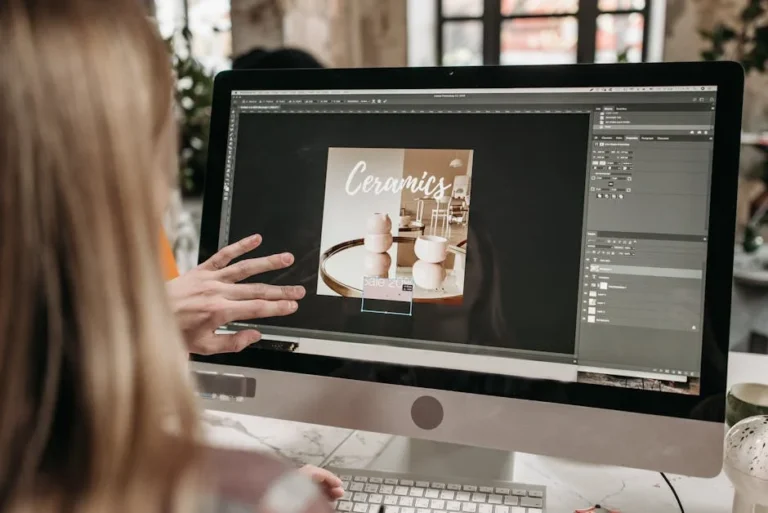


An online image editor has shifted from being a “nice-to-have” tool to a daily utility for anyone who publishes visuals, sells products, manages a brand, or simply wants photos to look their best. The biggest change is accessibility: instead of installing heavy software, you can open a browser tab and start enhancing images immediately, whether you’re on a work laptop, a personal desktop, or a borrowed computer. That flexibility matters when deadlines are tight, when you’re traveling, or when you’re collaborating with people who use different devices. A browser-based photo editor also reduces the friction of updates and compatibility; features roll out server-side, and you avoid the recurring interruptions of downloads, patching, and version conflicts. For teams, this can mean fewer “it works on my machine” issues and more consistent results across users. For individuals, it means you can focus on the image rather than maintaining software.
Table of Contents
- My Personal Experience
- Why an Online Image Editor Has Become Essential
- Core Features That Define a Strong Browser-Based Photo Editor
- How to Choose the Right Online Image Editor for Your Needs
- Editing Workflow: From Upload to Export Without Losing Quality
- Resizing, Cropping, and Aspect Ratios for Every Platform
- Color Correction and Lighting Adjustments That Look Natural
- Retouching, Background Removal, and Object Cleanup
- Text, Branding, and Design Elements for Marketing Graphics
- Expert Insight
- Performance, Browser Compatibility, and Handling Large Files
- Privacy, Security, and Ownership of Your Images
- SEO and Web Optimization: Faster Pages with Better Images
- Use Cases: E-Commerce, Social Media, Real Estate, and Education
- Building a Repeatable Editing Style for Consistent Results
- Final Thoughts: Making the Online Image Editor Part of Your Daily Workflow
- Watch the demonstration video
- Frequently Asked Questions
- Trusted External Sources
My Personal Experience
I started using an online image editor last year when I needed a quick banner for a community event and didn’t have any design software on my laptop. I figured it would be clunky, but it was surprisingly smooth—I uploaded a photo, cropped it, adjusted the brightness, and added text in about ten minutes. The best part was being able to tweak it from my phone later when someone pointed out a typo, without reinstalling anything. It wasn’t perfect (the free version kept nudging me to upgrade, and a couple of fonts looked different after exporting), but for fast edits and simple graphics, it saved me a lot of time and stress.
Why an Online Image Editor Has Become Essential
An online image editor has shifted from being a “nice-to-have” tool to a daily utility for anyone who publishes visuals, sells products, manages a brand, or simply wants photos to look their best. The biggest change is accessibility: instead of installing heavy software, you can open a browser tab and start enhancing images immediately, whether you’re on a work laptop, a personal desktop, or a borrowed computer. That flexibility matters when deadlines are tight, when you’re traveling, or when you’re collaborating with people who use different devices. A browser-based photo editor also reduces the friction of updates and compatibility; features roll out server-side, and you avoid the recurring interruptions of downloads, patching, and version conflicts. For teams, this can mean fewer “it works on my machine” issues and more consistent results across users. For individuals, it means you can focus on the image rather than maintaining software.

Another reason an online image editor is now essential is the way modern content is consumed. Images are no longer just static decorations; they are clickable thumbnails, product showcases, social media assets, story backgrounds, ad creatives, banners, and email headers. Each channel has different size requirements, color expectations, and compression constraints, and the same visual often needs multiple variations. A capable web-based editor makes it straightforward to resize, crop, and export for many platforms without creating a complex local workflow. Beyond convenience, there is also an economic aspect: many online tools offer free tiers or affordable subscriptions that are easier to justify than expensive one-time licenses. When you pair that with cloud saving, template systems, and quick sharing, the browser workflow becomes a practical choice for small businesses, creators, and marketing teams who need speed without sacrificing quality.
Core Features That Define a Strong Browser-Based Photo Editor
The most effective online image editor tools share a set of foundational features that cover the majority of real-world editing needs. At the top of the list are basic adjustments: exposure, contrast, highlights, shadows, white balance, saturation, and sharpness. These controls help correct common problems like underexposed photos, yellow indoor lighting, or flat-looking product shots. Cropping and straightening are equally important, because many images need to be reframed for better composition or to fit platform dimensions. A strong editor also offers rotation, flipping, and perspective correction for photos captured at awkward angles. Even simple features like undo history and non-destructive editing can make a big difference; being able to test changes, compare results, and revert without losing work is a productivity multiplier.
Beyond the basics, modern web-based tools often include layers, masks, and selection methods that used to be limited to desktop software. Layers let you combine images, add text, place logos, and create composites for ads or hero banners. Masks allow precise edits that don’t affect the entire image, such as brightening a face while keeping the background unchanged. Selections—whether manual lasso, brush, color-based selection, or AI-assisted subject detection—enable clean cutouts and targeted adjustments. Many online editors now include retouching tools like blemish removal, clone/heal, and background removal, which are crucial for portraits and e-commerce. Export options round out the feature set: the ability to choose file format (JPG, PNG, WebP), quality, dimensions, and color profiles helps you deliver images that look good while loading quickly. If you’re looking for online image editor, this is your best choice.
How to Choose the Right Online Image Editor for Your Needs
Choosing an online image editor starts with clarity about what you actually need to produce. If your work revolves around social media and quick marketing assets, you’ll likely value templates, text styling, brand kits, and easy resizing more than advanced retouching. If you handle product photography, you might prioritize background removal, shadow creation, batch processing, and consistent color correction. For bloggers and publishers, speed and export optimization can matter more than complex compositing. The right choice is often less about the maximum number of features and more about how quickly you can achieve consistent results. A streamlined interface that matches your workflow can outperform a feature-packed tool that feels confusing or slow.
It also helps to compare practical constraints like file size limits, supported formats, and whether the editor works well on your preferred browser. Some browser editors struggle with very large images or multi-layer files, while others handle them smoothly but require more memory. If you collaborate with clients or teammates, look for sharing links, comment features, and version history. If you move between devices, cloud storage and cross-device sync are essential. Privacy and compliance can also influence your decision; you may prefer an editor that clearly explains how uploads are processed, where files are stored, and how long they’re retained. Finally, evaluate export control: an online image editor that lets you fine-tune compression and metadata can help you balance image quality, SEO performance, and page speed.
Editing Workflow: From Upload to Export Without Losing Quality
A reliable workflow in an online image editor begins with preparing the source image. Start with the highest-quality file you have, because editing can’t restore details that were never captured. When you upload, pay attention to whether the editor automatically compresses images; some tools show a preview that looks fine but silently reduces quality. Once inside the workspace, establish your intended output early: if you’re creating a hero banner, decide the final dimensions before heavy retouching, because cropping late can cut off important elements. Use straightening and perspective fixes first, then proceed to exposure and color correction. This order helps you avoid chasing color issues that were caused by poor tonal balance. If the tool supports non-destructive adjustments, keep them adjustable until the end, especially when you’re uncertain about the final look.
Export is where quality is most often lost, so it deserves as much attention as the edits themselves. For photographs, JPG is often the best balance of size and quality, but you should adjust the quality slider carefully; overly aggressive compression creates banding and blocky artifacts, especially in gradients like skies. For graphics with transparency or crisp edges, PNG is usually safer, though heavier in file size. WebP can offer excellent compression, but confirm compatibility with your platform and audience. Resize images to the exact dimensions needed rather than relying on the website to scale them down, because serving oversized files hurts loading speed. If your online image editor lets you strip unnecessary metadata, you can reduce file size further, but consider whether you need copyright or camera data. A repeatable upload-to-export process ensures your visuals remain sharp, consistent, and optimized.
Resizing, Cropping, and Aspect Ratios for Every Platform
One of the most frequent reasons people open an online image editor is to resize and crop images for different platforms. Each channel has its own expectations: Instagram favors square and vertical formats, YouTube thumbnails demand specific dimensions, websites need responsive hero images, and marketplaces often require uniform product photo sizes. Cropping is not just about fitting dimensions; it’s also about storytelling and clarity. A tight crop can highlight a product feature, while a wider crop can communicate context and lifestyle. The key is to protect the focal point. Many editors offer rule-of-thirds grids or center guides, which help you place the subject in a visually pleasing way. When the same image must work in multiple aspect ratios, consider creating separate crops rather than forcing one compromise that looks mediocre everywhere.
Resizing should be handled with attention to interpolation and sharpening. Enlarging a small image can introduce blur or pixelation; some tools include AI upscaling to reduce these artifacts, but results vary depending on the source. Downscaling is generally safer, but it can still soften details if the editor uses poor resampling. After resizing, a light sharpening pass can restore perceived clarity, especially for product photos and text-based graphics. Another important consideration is safe margins: platforms may overlay UI elements, crop previews, or apply rounded corners. Leave breathing room around logos and text so they remain readable. A strong online image editor makes it easy to store presets for common sizes, enabling you to produce consistent outputs quickly without re-measuring every time.
Color Correction and Lighting Adjustments That Look Natural
Natural-looking color correction is one of the most valuable skills you can apply in an online image editor, because it directly affects how trustworthy and professional an image feels. Start by correcting white balance so whites look neutral rather than blue, green, or yellow. This is crucial for product images where color accuracy impacts returns and customer satisfaction. Next, adjust exposure and contrast to improve readability and depth. Use highlights and shadows controls to recover detail in bright areas and lift information in darker regions. A common mistake is pushing contrast too far, which can crush shadow detail and clip highlights, making the image look harsh. Instead, aim for balanced tonality where important areas retain texture.
Saturation and vibrance should be used carefully. Slight increases can make images feel lively, but heavy saturation often creates unnatural skin tones and unrealistic product colors. If your online image editor supports HSL (hue, saturation, luminance) adjustments, you can target specific colors—for example, reducing overly intense reds in skin or making greens look more natural in outdoor scenes. Curves and levels tools provide more precision, allowing you to fine-tune contrast in a controlled manner. When available, use selective adjustments to brighten faces, enhance eyes, or draw attention to the main subject without altering the entire image. The goal is not to make every photo look “edited,” but to make it look like the best possible version of what the camera intended to capture.
Retouching, Background Removal, and Object Cleanup
Retouching features in an online image editor can dramatically improve portraits and product images when used with restraint. For portraits, tools like blemish removal, healing, and subtle smoothing can reduce temporary skin imperfections while preserving natural texture. Over-smoothing is a common pitfall that makes faces look plastic. A better approach is targeted cleanup: remove distracting spots, reduce under-eye shadows gently, and keep pores and fine details intact. For product photography, dust and scratches are frequent problems, especially on reflective surfaces. Clone and heal tools can eliminate these distractions quickly, and when combined with zoom and brush size control, they can be surprisingly precise even in a browser environment.
Background removal is one of the most time-saving capabilities available today. Whether you’re creating marketplace listings, ad creatives, or profile images, removing the background helps the subject stand out and makes designs more flexible. Many online editors include one-click background removal powered by AI, but the best results still come from refining edges, especially around hair, fur, and semi-transparent objects. Look for tools that allow feathering, edge shifting, and mask painting to correct mistakes. Object removal, sometimes called content-aware fill, can also be useful for deleting unwanted items like cables, signs, or random people in the background. These tools are not perfect, but they often produce results that are good enough for web use, particularly when you keep the final output size reasonable and avoid extreme zoom-ins that reveal artifacts. If you’re looking for online image editor, this is your best choice.
Text, Branding, and Design Elements for Marketing Graphics
Many people rely on an online image editor not only for photo corrections but also for creating marketing graphics that include text, icons, and brand elements. Adding text seems simple, but readability and hierarchy require thoughtful choices. Start with a font that matches the brand personality and remains legible on mobile screens. Pay attention to contrast between text and background; if the image is busy, add a semi-transparent overlay, blur a portion of the background, or place text inside a shape. Line spacing, letter spacing, and alignment matter more than most beginners expect. A clean typographic layout can make a small business look instantly more professional, even if the photo itself is ordinary.
| Feature | Online Image Editor | Desktop Image Editor |
|---|---|---|
| Access & Setup | Runs in a browser; no install; quick start on any device | Requires download/install; device-dependent; updates managed locally |
| Core Editing Tools | Fast basics (crop, resize, filters, text) plus common enhancements | Often deeper toolsets (advanced retouching, plugins, pro workflows) |
| Collaboration & Storage | Easy sharing, cloud saves, and real-time collaboration options | Primarily local files; collaboration typically via exports or add-ons |
Expert Insight
Start by setting the correct canvas size and aspect ratio for your destination (social post, banner, print) before making edits. Then use non-destructive tools—layers, adjustment sliders, and history—so you can refine color and exposure without permanently degrading the original image. If you’re looking for online image editor, this is your best choice.
Speed up clean results by using guides and grids for alignment, and keep a consistent look with saved presets for crops, filters, and text styles. Before exporting, zoom to 100% to check sharpness and artifacts, then choose the right format: PNG for graphics and transparency, JPG for photos, and WebP for smaller web files. If you’re looking for online image editor, this is your best choice.
Brand consistency is easier when the editor supports saved colors, logo uploads, and reusable templates. A brand kit approach prevents the common problem of slightly different shades of the same color appearing across posts. Consistent placement of logos and consistent spacing around edges also builds recognition. Design elements like borders, stickers, and shapes can add energy, but they should support the message rather than distract from it. If you create ads, consider leaving negative space for platform UI and ensuring that the focal point remains clear even in small previews. A capable online image editor can function as a lightweight design studio, letting you build banners, thumbnails, event promos, and product highlights without switching tools.
Performance, Browser Compatibility, and Handling Large Files
Performance is a deciding factor when choosing an online image editor, especially if you edit high-resolution photos or layered compositions. Browser-based tools depend on your device’s CPU, GPU acceleration, and available memory, as well as the efficiency of the editor’s code. If you notice lag when zooming, brushing, or applying filters, try closing other tabs, disabling heavy browser extensions, or switching to a different browser. Some editors perform best on Chromium-based browsers, while others are optimized for multiple engines. If you work with large files, check whether the editor supports progressive loading, proxy previews, or partial rendering to keep the interface responsive. Even small improvements in responsiveness can save significant time over many edits.
File handling also includes import and export reliability. Large uploads can fail on unstable connections, so an editor that supports resumable uploads or autosave reduces risk. If you frequently edit RAW files, confirm whether the editor supports them; many online tools focus on JPG and PNG. For layered projects, check whether the editor can import and export formats like PSD or its own project files for later revisions. Another consideration is color management: some browser workflows can display colors differently depending on the monitor and profile handling. While web editing has improved, professionals should still test exports on multiple devices. A dependable online image editor balances advanced features with stable performance so you can edit confidently without technical interruptions.
Privacy, Security, and Ownership of Your Images
Uploading images to any online image editor raises reasonable questions about privacy and ownership. The safest approach is to review the tool’s policy on file storage, retention, and data usage. Some editors process images entirely in the browser, meaning files never leave your device; others upload to servers for processing, especially for AI features like background removal or upscaling. Server-side processing can be powerful, but it increases the importance of encryption, access controls, and clear retention rules. If you work with client materials, unreleased product photos, or personal family images, you should be confident that your files won’t be used for unrelated purposes or stored indefinitely.
Security also includes account protection if you use cloud saving. Choose strong passwords, enable two-factor authentication when available, and be cautious about shared links. For teams, look for role-based permissions so not everyone can delete or publish assets. Ownership is another important point: some services claim broad licenses to user uploads, while others limit usage strictly to providing the service. If you plan to edit images for commercial campaigns, confirm that the editor’s terms won’t create legal ambiguity. A trustworthy online image editor makes these details transparent and provides practical controls such as deleting files, managing shared access, and downloading originals without forced watermarks.
SEO and Web Optimization: Faster Pages with Better Images
Images influence SEO indirectly but powerfully through page speed, engagement, and accessibility. An online image editor can help you create assets that load fast without looking blurry, which improves user experience and can reduce bounce rates. Start by exporting at the exact size needed for your layout. Serving a 4000-pixel-wide photo to display it at 800 pixels wastes bandwidth and slows down pages, especially on mobile networks. Choose modern formats where appropriate: WebP often reduces file size significantly compared to JPG and PNG. Compression should be tested: aim for a file size that preserves detail at typical viewing distances. Many editors provide preview comparisons so you can find the sweet spot between clarity and weight.
Optimization also includes consistency and accessibility. When images are consistent in style, visitors perceive the site as more credible, which can increase time on page and conversions. While alt text is added in the CMS rather than the editor, the editor still helps by producing visuals that clearly communicate the subject, making accurate alt text easier to write. If your online image editor supports metadata control, consider stripping unnecessary data to reduce file size, but keep essential copyright information if needed. For e-commerce, multiple optimized images per product can increase confidence and reduce returns. The practical outcome is that a thoughtful image workflow supports both discoverability and performance, turning visuals into an asset rather than a speed liability.
Use Cases: E-Commerce, Social Media, Real Estate, and Education
An online image editor serves different industries in different ways, but the common goal is clarity and persuasion. In e-commerce, clean backgrounds, accurate color, consistent framing, and sharp details help customers understand what they’re buying. Batch resizing and templated layouts can keep product catalogs uniform, which improves trust. Adding subtle shadows or reflections can make items feel grounded without looking artificial. For social media, speed matters: creators often need to crop, add captions, adjust lighting, and export in the right format within minutes. Templates, brand colors, and quick background removal can turn a simple photo into a scroll-stopping post while keeping the workflow manageable.
Real estate benefits from balanced lighting and perspective correction. Wide-angle shots often distort vertical lines, making rooms feel skewed; perspective tools can straighten walls and windows for a more accurate impression. Exposure blending and careful shadow lifting can help interiors look inviting without misleading edits. In education, instructors and students use browser editors to annotate diagrams, create presentation visuals, and prepare project images without requiring specialized software. Nonprofits and community groups also benefit by producing flyers and event graphics quickly. Across these use cases, the value of an online image editor is the same: it reduces the time between idea and publishable visual while maintaining enough quality to represent the subject honestly.
Building a Repeatable Editing Style for Consistent Results
Consistency is what separates random edits from a recognizable visual identity, and an online image editor can help you build that consistency through presets, templates, and repeatable steps. Start by defining a target look: bright and airy, warm and cozy, high-contrast and bold, or neutral and product-focused. Once you know the direction, you can standardize your adjustments. For example, you might always correct white balance first, then lift shadows slightly, then apply a mild clarity boost, and finish with a subtle vignette. If the editor supports saving presets or copying settings between images, use that feature to reduce decision fatigue. Even without presets, writing down your typical slider ranges can help you keep a unified style.
Consistency also applies to export settings and file naming. Decide on standard widths for blog images, thumbnails, and product photos. Choose default formats—such as WebP for web delivery when supported, and PNG for transparent assets. If you manage a library, consistent naming helps you find assets later and reduces the risk of uploading the wrong version. When you introduce text overlays, standardize font choices, sizes, and spacing rules. A repeatable system is not about making everything look identical; it’s about creating a coherent visual language that audiences recognize. Over time, a well-chosen online image editor becomes less like a tool you occasionally open and more like a dependable production environment.
Final Thoughts: Making the Online Image Editor Part of Your Daily Workflow
Integrating an online image editor into your daily workflow is ultimately about removing friction between capturing a visual and publishing something polished. The best results come from a simple system: start with strong source images, apply consistent corrections, use targeted tools like background removal or retouching only when they serve a clear purpose, and export with performance in mind. When you treat editing as a repeatable process rather than a one-off task, you save time and reduce the risk of inconsistent branding or accidental quality loss. The browser-based approach also supports modern collaboration, making it easier to share drafts, gather feedback, and deliver assets quickly without requiring everyone to install the same software.
As your needs grow, you can choose an online image editor that scales with you—adding templates, brand kits, layered designs, AI enhancements, and better export controls—without losing the speed that made web editing appealing in the first place. The key is to prioritize reliability, quality control, and clear ownership of your files, then build habits around sizing, compression, and consistent styling. When those pieces come together, the online image editor becomes more than a convenience; it becomes a practical foundation for creating images that load fast, look credible, and support your goals across websites, stores, and social platforms.
Watch the demonstration video
Discover how an online image editor can help you quickly enhance photos right in your browser. This video walks you through essential tools like cropping, resizing, adjusting brightness and color, adding text, and applying filters. You’ll also learn tips for saving and exporting images in the best format for web or social media.
Summary
In summary, “online image editor” is a crucial topic that deserves thoughtful consideration. We hope this article has provided you with a comprehensive understanding to help you make better decisions.
Frequently Asked Questions
What is an online image editor?
A browser-based tool for editing images without installing software, typically offering crop, resize, filters, and basic retouching.
Do I need to create an account to edit images online?
Many editors work without an account, but saving projects, using premium tools, or accessing cloud storage may require sign-up.
Which file formats can online image editors handle?
Most tools handle the basics—JPG, PNG, and GIF—while a good **online image editor** may also support formats like WebP and SVG, export to PDF, and even open layered files such as PSD, depending on the platform.
Are online image editors safe and private?
It really depends on the provider, so take a moment to see how your **online image editor** handles your files—are they processed locally in your browser, or uploaded to the company’s servers? It’s also worth reviewing their data retention practices and privacy policy to understand what’s stored, for how long, and who can access it.
Can I remove backgrounds with an online image editor?
Yes, many offer one-click background removal or manual masking, though quality varies with image complexity and resolution.
How do I export images for web or social media?
Pick the ideal size and file type—usually JPG or PNG—then fine-tune the quality or compression in an **online image editor** and export your image at the exact dimensions recommended for your platform.
📢 Looking for more info about online image editor? Follow Our Site for updates and tips!

Trusted External Sources
- Free Online Image Editor
Free Online Image Editor create your own animated gifs resize crop avatars and images. Photo tool for your favorite pictures. Edit an image here fast and …
- Is there a “best” app or website for simple image editing? – Reddit
Apr 10, 2026 … 2mo ago · canvix.io – simply the best, and i made it because every other image editor online was not so good and easy to use. This video cannot … If you’re looking for online image editor, this is your best choice.
- Adobe Free Online Photo Editor | Adobe Express
Edit your photos fast with Adobe Express, a quick, easy create-anything app and powerful **online image editor**. Enhance, resize, and refine your images in minutes—then turn them into eye-catching social posts, flyers, and more.
- AI Photo Editor free : Pixlr Express – free ai image editing online
If you want advanced photo editing tools without downloading anything, Pixlr Express is a powerful **online image editor** that runs прямо in your browser. Skip the installation and registration—just upload your photo and start enhancing, retouching, and transforming it in minutes.
- I made a browser based image editor and made it fully open source.
Jan 10, 2026 … Default value on the web is 72 pixels per inch, but 96, 150, and 300 are also common. Paragraph options for text. A bounding box with alignment … If you’re looking for online image editor, this is your best choice.