

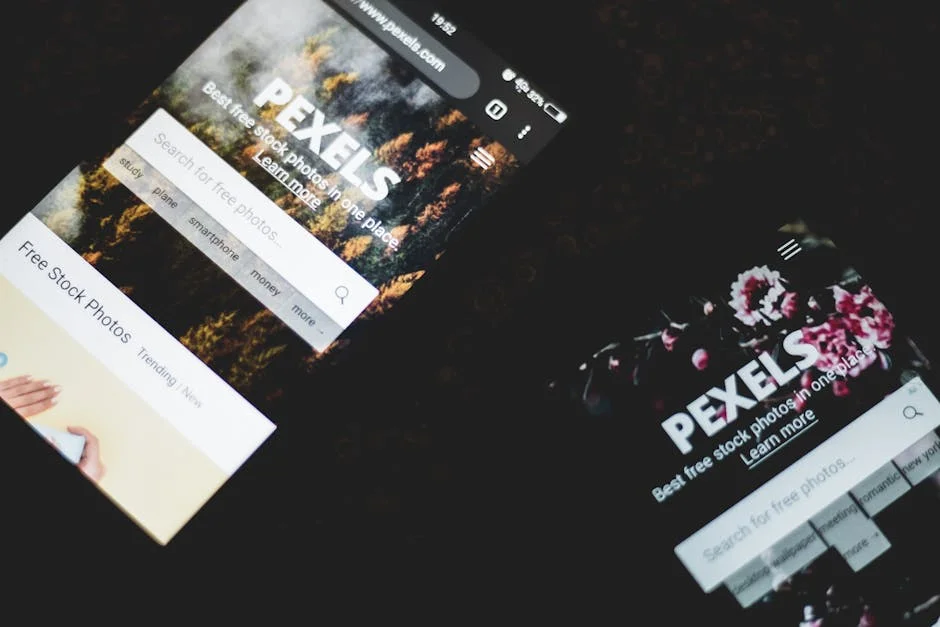
Photo websites have become one of the most influential ways to publish and distribute visual work, whether that work is a personal portfolio, a commercial catalog, or a curated archive that supports a brand’s story. The appeal is simple: images communicate faster than text, and a well-structured gallery can guide visitors through a narrative with minimal friction. Yet the best photo websites are not just collections of pictures. They are systems that combine performance, design, metadata, accessibility, and search visibility into a cohesive experience that looks great on any device. When visitors land on a photography site, they form impressions in seconds. A clean layout, consistent thumbnails, responsive images, and intuitive navigation can make the difference between someone browsing deeply and someone bouncing immediately. That’s why a modern photo gallery needs careful attention to how images are prepared, how pages are organized, and how content is presented. The same is true for stock platforms, editorial photo archives, and community-driven image networks that depend on discoverability and trust to keep users engaged.
Table of Contents
- My Personal Experience
- Understanding Photo Websites and Why They Matter
- Types of Photo Websites: Portfolio, Stock, Galleries, and Communities
- Planning Structure and Navigation for Strong Visual Browsing
- Design Principles: Layout, Typography, and Visual Hierarchy
- Image Optimization: Speed, Quality, and Responsive Delivery
- SEO for Photo Websites: Metadata, Alt Text, and Discoverability
- Content Strategy: Captions, Stories, and Supporting Copy That Converts
- Choosing Platforms and Tools: Builders, CMS Options, and Hosted Solutions
- Expert Insight
- User Experience Essentials: Mobile, Accessibility, and Interaction
- Monetization and Business Models: Prints, Licensing, Leads, and Memberships
- Security, Copyright, and Rights Management for Online Images
- Maintenance, Analytics, and Continuous Improvement
- Building Trust and Brand Identity Through Visual Consistency
- Final Thoughts on Creating High-Performing Photo Websites
- Watch the demonstration video
- Frequently Asked Questions
My Personal Experience
I started using photo websites a few years ago when my phone storage kept filling up and I was tired of losing pictures every time I switched devices. At first I just uploaded everything to a free gallery site, but I didn’t realize how public my albums were until a coworker casually mentioned seeing my vacation shots. After that, I got more careful—setting folders to private, turning off location data, and using a site that lets me download full-resolution originals. Now I treat it like a routine: I upload after trips, tag the best ones, and share a single link with family instead of texting twenty photos in a row. It’s not perfect, but it’s made my photos easier to find and a lot harder to accidentally lose.
Understanding Photo Websites and Why They Matter
Photo websites have become one of the most influential ways to publish and distribute visual work, whether that work is a personal portfolio, a commercial catalog, or a curated archive that supports a brand’s story. The appeal is simple: images communicate faster than text, and a well-structured gallery can guide visitors through a narrative with minimal friction. Yet the best photo websites are not just collections of pictures. They are systems that combine performance, design, metadata, accessibility, and search visibility into a cohesive experience that looks great on any device. When visitors land on a photography site, they form impressions in seconds. A clean layout, consistent thumbnails, responsive images, and intuitive navigation can make the difference between someone browsing deeply and someone bouncing immediately. That’s why a modern photo gallery needs careful attention to how images are prepared, how pages are organized, and how content is presented. The same is true for stock platforms, editorial photo archives, and community-driven image networks that depend on discoverability and trust to keep users engaged.

Beyond aesthetics, photo websites matter because they are often the first point of contact between creators and clients, or between a brand and its audience. A photographer may rely on an image portfolio to win assignments, while a small business might use a product photo catalog to increase conversions. Museums and publishers use online photo archives to preserve and share collections. Even individuals looking to document family history benefit from secure image hosting and sharing tools. The ecosystem includes portfolio sites, stock photography marketplaces, social image networks, client proofing portals, and specialized platforms for niches like real estate, food, weddings, and travel. Each type of photography website has different priorities—speed and SEO for commercial pages, watermarking and permissions for proofing galleries, licensing and contributor tools for stock libraries, or community engagement for social photo networks. Understanding these differences helps you choose the right structure, platform, and workflow, and it helps you build visual content that serves a purpose rather than simply occupying space.
Types of Photo Websites: Portfolio, Stock, Galleries, and Communities
Photo websites generally fall into several categories, each with its own expectations and best practices. Portfolio sites are designed to showcase an individual or studio’s strongest work with minimal distractions. They typically emphasize curated galleries, a clear “about” page, contact options, and often a services section for commercial photographers. A portfolio photography website works best when it is selective; instead of uploading everything, it highlights projects that align with the photographer’s target clients. Stock photography sites, on the other hand, are built around scale and search. They need robust tagging, categorization, licensing options, and fast previews. The user experience revolves around filters, keywords, and usage rights rather than storytelling. Then there are client galleries and proofing platforms, which prioritize private sharing, password protection, download controls, and feedback workflows. These photo gallery sites often integrate with invoicing or print labs and may support selection lists, favorites, and approvals.
Community-driven photo websites and social image platforms focus on discovery and interaction. Features like following, liking, commenting, collections, and algorithmic feeds become central. These networks can be useful for exposure but may not replace the need for a dedicated photography portfolio because the platform controls layout and visibility. Editorial and archival photography sites occupy a different space altogether: they emphasize metadata integrity, rights management, long-term storage, and sometimes scholarly context around images. E-commerce photo catalog sites combine photography with product listings, variant images, zoom features, and conversion-focused design. Real estate photography pages often require fast loading, consistent aspect ratios, and integration with listing systems, while food and lifestyle photography can benefit from recipe or story formatting that pairs images with structured content. Choosing the right type of image website is less about trends and more about matching features to goals: lead generation, licensing revenue, client delivery, community engagement, or preservation.
Planning Structure and Navigation for Strong Visual Browsing
The structure of photo websites determines how easily visitors can find what they need and how effectively search engines can crawl the content. A common mistake is to build a single endless gallery that looks impressive but becomes difficult to navigate, especially on mobile. A better approach is to create clear categories based on audience intent: “Weddings,” “Portraits,” “Commercial,” “Travel,” or “Products,” depending on your niche. Each category should have a dedicated landing page with a short introduction and a curated set of thumbnails that lead to deeper project pages. Project pages can then provide context, show a cohesive series, and link to related work. This layered approach makes the site feel organized and helps both users and search engines understand relationships between pages. Breadcrumbs, consistent menus, and internal links between related galleries improve exploration without forcing users to hunt for the back button.
Navigation should prioritize simplicity, especially for photography websites where images already demand attention. A top menu with a few key items usually outperforms complicated mega menus. Filters and tags can be useful, but they need to be implemented carefully to avoid generating thousands of thin pages that dilute SEO and confuse visitors. If you offer a large image library, consider a controlled taxonomy: a limited set of categories, a well-managed tag list, and a search function that supports partial matching and synonyms. For client proofing photo gallery sites, navigation should reduce friction: clients want to locate their session quickly, review images, and download or select favorites. For stock photo sites, navigation must support power users with advanced filters such as orientation, color, people count, release status, and license type. Across all styles, consistent thumbnail sizing, clear hover states, and obvious calls to action (like “Contact,” “Request a Quote,” or “License This Image”) keep visitors moving toward the outcome you want. If you’re looking for photo websites, this is your best choice.
Design Principles: Layout, Typography, and Visual Hierarchy
Design on photo websites should elevate images rather than compete with them. Minimal interfaces tend to work because they allow photography to carry the emotional weight. That said, minimal doesn’t mean generic. Effective photography site design uses consistent spacing, a restrained color palette, and typography that complements the mood of the images. A fine-art portfolio might use elegant serif fonts and generous white space, while a commercial studio site may use modern sans-serif type, bold headings, and structured grids. Visual hierarchy matters: visitors should immediately understand what the site is about, what kind of work is presented, and how to take the next step. That hierarchy can be created through a strong hero image, a concise positioning statement, and prominent navigation to key galleries. Thumbnails should be sharp, evenly cropped, and arranged in a way that feels intentional rather than random.
Grid layouts, masonry layouts, and slideshow presentations each have trade-offs. Grids are predictable and fast to scan, which is ideal for commercial portfolios and product photography. Masonry layouts can feel dynamic but may disrupt visual rhythm when images vary widely in aspect ratio; they also require careful responsive handling to avoid awkward gaps on mobile. Slideshows can be immersive for storytelling but may frustrate users who want quick scanning. Many successful photo websites combine approaches: a grid for category pages, then a project page with a controlled sequence. Accessibility and readability also affect design choices. Text needs sufficient contrast against backgrounds, interactive elements must be easy to tap on touchscreens, and focus states should be visible for keyboard navigation. Captions and short descriptions can add meaning without overwhelming the visuals, especially for documentary and editorial images where context increases impact. The goal is a polished experience that feels effortless, even though it is the result of deliberate design decisions.
Image Optimization: Speed, Quality, and Responsive Delivery
Performance is a defining factor for photo websites because images are heavy, and slow pages lose visitors quickly. Optimization begins before upload: export images at appropriate dimensions, use modern formats, and compress thoughtfully. WebP and AVIF can dramatically reduce file sizes compared to JPEG while maintaining quality, though you may still keep JPEG as a fallback depending on your setup. Responsive images are essential: serving a 4000-pixel-wide file to a phone wastes bandwidth and slows rendering. Using srcset and sizes attributes allows the browser to choose the best file for the user’s screen. Lazy loading can improve initial page speed by deferring offscreen images, but it should be implemented in a way that doesn’t break navigation or prevent search engines from discovering key visuals. For galleries, consider loading a limited set of thumbnails first, then progressively loading more as users scroll.
Quality control is just as important as compression. Over-compressed images can show banding, artifacts, and loss of detail, which undermines trust—especially for professional photography sites where clients judge skill based on what they see. A balanced workflow might include high-quality exports for hero images and slightly more compressed files for gallery thumbnails. Color management also matters; sRGB is generally the safest color space for the web to avoid unexpected shifts. Caching and content delivery networks (CDNs) help distribute images quickly around the world. Many modern platforms include built-in image CDNs that automatically resize and compress images per device, which can be a major advantage for large photo galleries. Finally, pay attention to cumulative layout shift: reserve space for images so the page doesn’t jump as files load. Stable layouts feel smoother and more professional, and they support better engagement across all types of photography websites. If you’re looking for photo websites, this is your best choice.
SEO for Photo Websites: Metadata, Alt Text, and Discoverability
Search visibility for photo websites depends on making images understandable to search engines and aligning pages with real user intent. While search engines can interpret images to some extent, they still rely heavily on text signals: file names, alt text, captions, surrounding copy, structured data, and page titles. Descriptive file names like “sunset-over-mountain-lake.webp” are more informative than “IMG_4837.webp.” Alt text should describe the image accurately and concisely, focusing on what a user would need if the image didn’t load or if they used a screen reader. Captions can provide additional context and can be especially valuable for editorial or documentary photography. For portfolios, writing a short introduction on each gallery page helps clarify what the visitor is seeing and can improve rankings for niche searches like “corporate headshots in Austin” or “architectural photographer for hotels.” The goal is to make each page meaningful beyond the visuals alone.
Technical SEO also plays a major role for photography websites. Clean URL structures, logical internal linking, fast loading times, and mobile-friendly layouts are foundational. Image sitemaps can help search engines discover media assets, and structured data can enhance how pages appear in results. If you run a stock photo library or a large image archive, you’ll want to manage duplicate content issues that arise from similar images, multiple sizes, or filtered views. Canonical tags and controlled indexing rules can prevent thin pages from competing with your primary landing pages. For local photographers, local SEO elements like a well-optimized contact page, consistent business information, and location-specific copy can help. When images are a central product—such as prints or licenses—product schema and clear licensing details improve both user trust and search performance. Strong SEO for a photo gallery site is rarely about gaming algorithms; it’s about clarity, structure, and making each visual asset part of a well-described, well-organized set of pages. If you’re looking for photo websites, this is your best choice.
Content Strategy: Captions, Stories, and Supporting Copy That Converts
Even the most striking photo websites benefit from carefully written supporting content. The purpose of copy is not to distract from images, but to guide interpretation, build credibility, and move visitors toward action. Captions can provide context: where a photo was taken, what the assignment required, what constraints were solved, or why a creative decision was made. For commercial photography, short project summaries can highlight results, such as how a product shoot improved listing consistency or how a brand campaign was executed across multiple locations. For wedding or portrait galleries, a few lines about the experience, approach, and client goals can create emotional resonance and help potential clients imagine themselves in the same scenario. This kind of writing also supports SEO by adding relevant language naturally, enabling pages to rank for service and style-based queries.
Longer-form content can also live comfortably within photography websites when it is purposeful. Case studies, behind-the-scenes notes, and location guides can attract visitors who are researching before they buy. For example, a real estate photographer might create a page explaining how they prepare homes for photography, paired with before-and-after examples. A travel photographer might publish a field note about shooting in difficult weather, reinforcing expertise and authenticity. If you sell prints, content about paper types, framing options, and care instructions can reduce uncertainty and returns. The key is to keep content structured: short paragraphs, clear subheadings, and links to related galleries. Copy should be written in a voice that matches the imagery—refined for fine art, energetic for lifestyle, precise for product work. When text and visuals reinforce each other, a photo gallery becomes more than a slideshow; it becomes a persuasive experience that builds trust and drives inquiries, bookings, or sales. If you’re looking for photo websites, this is your best choice.
Choosing Platforms and Tools: Builders, CMS Options, and Hosted Solutions
Selecting the right foundation for photo websites depends on how much control you need, how large your image library is, and what features are non-negotiable. Hosted portfolio platforms can be convenient because they handle updates, security, and image optimization automatically. They often include templates designed specifically for photography sites, with built-in galleries, client proofing, and simple SEO settings. This can be ideal for creators who want a polished result without managing servers. A content management system (CMS) like WordPress can offer more flexibility, especially when paired with performance-focused themes and image optimization plugins. It can also support blogging, e-commerce, membership areas, and custom landing pages, making it a strong option for studios with broader marketing needs. For developers or teams, headless CMS setups can deliver highly customized experiences and excellent performance, but they require more technical resources to build and maintain.
| Type of photo website | Best for | Key features to look for |
|---|---|---|
| Portfolio site | Photographers showcasing work and attracting clients | Full-screen galleries, fast loading, custom domain, contact/booking form, SEO |
| Stock photo marketplace | Buying/selling licensable images at scale | Licensing options, keyword search, contributor tools, payouts/royalties, model/property releases |
| Photo sharing/community | Sharing, feedback, and discovery | Albums/collections, privacy controls, comments/groups, tagging, social sharing, moderation |
Expert Insight
Curate your homepage like a tight portfolio: lead with 12–20 of your strongest images, group them into clear galleries, and add concise captions that include location, subject, and relevant keywords to improve search visibility. If you’re looking for photo websites, this is your best choice.
Make it effortless to hire or buy: place a prominent “Contact” or “Book” button in the header, include pricing or starting rates, and optimize images for fast loading (compressed files, lazy loading) so visitors don’t bounce before they reach your call to action. If you’re looking for photo websites, this is your best choice.
When evaluating tools for photography websites, consider the full workflow: uploading, organizing, tagging, updating, and delivering images. Look for batch upload support, bulk editing of metadata, and the ability to create multiple galleries without duplicating files. If you need client proofing, check for password-protected albums, download permissions, watermarks, and expiration dates. If you sell prints or licenses, prioritize integrated e-commerce, tax handling, shipping options, and licensing templates that are easy for buyers to understand. Also consider portability: can you export your images, metadata, and page content if you outgrow the platform? Vendor lock-in can be a real risk for large photo archives. Finally, think about scalability and cost. Some platforms charge based on storage or bandwidth, which can become expensive for high-resolution image hosting. A good platform choice supports growth without forcing you to rebuild your entire site when your portfolio expands or your business model changes. If you’re looking for photo websites, this is your best choice.
User Experience Essentials: Mobile, Accessibility, and Interaction
Most visitors will view photo websites on phones, which makes mobile experience a priority rather than a secondary consideration. Mobile-first design means thumbnails are large enough to tap, navigation is reachable with one hand, and pages load quickly on cellular connections. It also means avoiding design patterns that feel elegant on desktop but awkward on mobile, such as tiny hover-only controls or text overlays that become unreadable when scaled down. Swipe-friendly galleries, clear pagination or infinite scroll with good performance, and sticky navigation that doesn’t consume too much screen space can significantly improve browsing. Forms should be short and easy to complete; a potential client should be able to contact you within a minute. If you use popups for lead capture, keep them unobtrusive and easy to dismiss, since aggressive overlays can push users away from image portfolios.
Accessibility is often overlooked in photography websites, but it benefits everyone. Alt text helps screen reader users understand images, while captions can support visitors with cognitive differences or those who prefer context. Keyboard navigation is important for users who cannot use a mouse, and focus indicators should be visible on all interactive elements. Color contrast matters for text and buttons, especially when placed over images. If you embed text inside images, it may look stylish but becomes inaccessible and unsearchable; it’s better to use real HTML text layered with care. Interaction design also affects perceived quality. Smooth transitions, subtle hover states on desktop, and predictable behavior when opening lightboxes create confidence. Avoid heavy animations that delay access to images or cause jank on lower-end devices. A user-centered approach ensures that your photo gallery site feels welcoming and professional to the broadest possible audience, which can translate directly into longer sessions, more inquiries, and stronger word-of-mouth referrals. If you’re looking for photo websites, this is your best choice.
Monetization and Business Models: Prints, Licensing, Leads, and Memberships
Photo websites can support a wide range of revenue models, and the best choice depends on your audience and the type of imagery you produce. Service-based photographers typically monetize through leads: the website’s job is to generate inquiries for weddings, portraits, commercial assignments, or brand campaigns. In this case, galleries should be curated to attract the right clients, and calls to action should be placed naturally near the work that demonstrates the relevant style. Print sales are another major path, especially for fine-art and landscape photographers. A print-focused photography website needs excellent color-accurate previews, clear sizing options, framing information, and transparent shipping and return policies. Limited editions, certificates of authenticity, and behind-the-scenes notes can increase perceived value. Licensing is common for editorial, commercial, and stock imagery; licensing pages should explain usage rights in plain language and provide an easy checkout flow.
Memberships and subscriptions can work when you offer ongoing value: exclusive photo sets, educational breakdowns, presets, or access to a curated archive. Some creators also monetize through workshops and digital products, using their image portfolio to demonstrate authority and style. For stock and licensing-driven photo websites, contributor management and rights control become central. Watermarking previews, storing model and property releases, and tracking license history can protect both creator and buyer. Advertising is another potential revenue stream, but it tends to be a poor fit for premium portfolios because it distracts from imagery and can reduce trust. Affiliate partnerships can be a better alternative if you recommend camera gear, printing services, or travel tools, provided recommendations are honest and relevant. Regardless of model, the site should make value obvious: what is being sold, why it is worth it, and how to purchase or inquire without confusion. Clear pricing guidance, even if it’s a “starting at” range, can also filter out mismatched leads and improve conversion quality.
Security, Copyright, and Rights Management for Online Images
Publishing images online creates exposure, but it also creates risk. Photo websites should address security and rights management from the beginning, especially if you share client work or sell licenses. Basic website security starts with HTTPS, strong passwords, and regular updates for any plugins or themes if you use a CMS. For client proofing galleries, password protection and expiring links can prevent unauthorized access. Download permissions should be explicit: some clients need high-resolution files, others should only see watermarked previews until payment is complete. Watermarking can deter casual theft, although it is not foolproof; a balanced approach is to watermark proofs while keeping portfolio images clean, depending on your market and risk tolerance. For large photo archives, logging and access control can help track how assets are used internally or by partners.
Copyright and licensing clarity are just as important as technical security. Your terms of use should explain what visitors can and cannot do with images, and licensing pages should define allowable usage, duration, territory, and exclusivity when relevant. If you photograph people or private property, keep releases organized and linked to the corresponding images, especially for commercial licensing. Metadata can support rights management: embedding IPTC fields such as creator name, copyright notice, and contact information helps identify ownership when images are shared. However, metadata can be stripped on some platforms, so it should not be your only protection. Consider using reverse image search tools to monitor unauthorized use if your work is frequently copied. For businesses and agencies operating photo websites, having a clear takedown process and a documented licensing workflow reduces disputes. Protecting rights isn’t about being adversarial; it’s about setting expectations and making legitimate use easy while discouraging misuse.
Maintenance, Analytics, and Continuous Improvement
Photo websites perform best when they are treated as living systems rather than one-time projects. Regular maintenance keeps pages fast, secure, and aligned with current business goals. For a portfolio, that might mean updating galleries to reflect your latest work, removing older images that no longer represent your style, and refreshing your services and contact information. For stock photo libraries, maintenance includes ongoing keyword cleanup, category refinement, and quality control to ensure the archive remains searchable and relevant. Broken links, outdated plugins, and oversized images can quietly degrade user experience over time. Even small changes—compressing a few heavy hero images, improving internal links between related galleries, or rewriting a category introduction—can produce measurable gains in engagement and search visibility.
Analytics help you understand how visitors interact with your photography website. Track which galleries get the most views, how far users scroll, what devices they use, and where inquiries originate. If a particular gallery attracts traffic but produces few contacts, the issue may be a mismatch between the imagery and the call to action, or the next step may be unclear. If mobile visitors bounce quickly, performance or layout may need attention. Search data can reveal valuable insights: the terms people use to find your work may suggest new gallery categories, new location pages, or better wording for headings and captions. A/B testing can be useful for contact forms, button labels, and landing page layouts, especially for commercial studios. Continuous improvement doesn’t require constant redesign; it requires consistent, intentional refinement based on real behavior. Over time, this approach builds stronger trust, better rankings, and higher conversion rates, making photo websites a reliable asset rather than a static brochure.
Building Trust and Brand Identity Through Visual Consistency
Trust is a central outcome for photo websites, and it is built through consistency in both visuals and messaging. Visitors need to feel that the work is cohesive and that the creator or brand has a recognizable point of view. Consistency can show up in color grading, lighting style, composition, and subject matter. It can also show up in how galleries are edited: a tight selection signals confidence and professionalism. A scattered portfolio with wildly different styles can confuse prospective clients, unless the site clearly separates those styles into distinct categories and explains the scope of services. Branding elements like a logo, a consistent color palette, and a recognizable typographic system can support the photography without overpowering it. Even small touches—such as consistent spacing around images, uniform thumbnail treatments, and thoughtful hover effects—contribute to a perception of quality.
Social proof strengthens brand trust on photography websites when it is presented naturally. Testimonials can be placed near relevant galleries, and client logos can be included on commercial pages when permitted. Publications, awards, and exhibitions can be listed in a way that feels informative rather than boastful. Contact pages should feel human: clear response expectations, multiple ways to get in touch, and a short note about process can reduce anxiety for potential clients. For e-commerce photo catalog sites, trust signals include clear policies, secure checkout, transparent shipping information, and accurate product photos that match what buyers receive. For licensing-driven photo archives, clarity around rights and a professional purchasing process reduces hesitation. Ultimately, the strongest trust signal is coherence: when the design, the writing, the navigation, and the images all feel like they belong together, visitors are more likely to believe that working with you—or buying from you—will be smooth and rewarding. If you’re looking for photo websites, this is your best choice.
Final Thoughts on Creating High-Performing Photo Websites
Photo websites succeed when they balance artistry with practical execution: fast loading images, intuitive navigation, accessible design, clear metadata, and content that supports both users and search engines. The most effective approach starts with defining the site’s purpose—portfolio, client proofing, stock licensing, print sales, or community engagement—then building structure and workflows that fit that goal. Thoughtful curation, responsive image delivery, and a consistent visual identity help visitors focus on what matters: the work itself. Strong supporting copy, accurate alt text, and organized categories improve discoverability and make galleries more meaningful. When you add security basics, rights clarity, and ongoing maintenance, you create a durable platform that can grow as your library expands and your audience evolves.
The long-term advantage of photo websites is control: control over presentation, control over branding, and control over how people move from admiration to action. Social platforms can support discovery, but a dedicated photography site remains the most reliable home base for your images, your services, and your business outcomes. With careful planning, performance-focused optimization, and continuous refinement based on analytics, photo websites can become more than a showcase—they can be a consistent source of leads, sales, and opportunities while preserving your work in a professional, organized environment.
Watch the demonstration video
In this video, you’ll learn how photo websites work and how to choose the right one for your needs. It covers where to find high-quality images, the differences between free and paid platforms, and what to watch for in licensing and usage rights. You’ll also get tips for searching, downloading, and organizing photos efficiently.
Summary
In summary, “photo websites” is a crucial topic that deserves thoughtful consideration. We hope this article has provided you with a comprehensive understanding to help you make better decisions.
Frequently Asked Questions
What is a photo website?
A photo website is an online site that displays, sells, or shares photographs—often as a portfolio, gallery, or client proofing platform.
What should a photography portfolio website include?
A clear homepage, curated galleries, an about page, contact form, pricing or services (optional), testimonials, and fast-loading high-quality images.
How do I make a photo website load faster?
To keep your pages fast—especially on **photo websites**—resize and compress your images, switch to modern formats like WebP or AVIF, and enable lazy loading so photos load only when needed. Pair that with a CDN for quicker delivery, and steer clear of heavy scripts or oversized galleries that can slow everything down.
How can I protect photos on my website from being stolen?
Use low-resolution previews, add watermarks, disable right-click (limited), require logins for proofs, and register copyrights for stronger enforcement.
What’s the difference between a portfolio site and a stock photo site?
A portfolio site showcases a photographer’s best work and highlights the services they offer, while stock **photo websites** focus on licensing images to buyers under clear, standardized terms.
How do I get more traffic to my photo website?
Improve your site’s SEO by polishing titles and alt text, boosting page speed, and keeping your content fresh with new blog posts or recent shoots. Promote each update across your social channels, earn quality backlinks, and, if you serve a specific area, strengthen your local SEO. These steps help **photo websites** attract more visitors and turn them into clients.
📢 Looking for more info about photo websites? Follow Our Site for updates and tips!